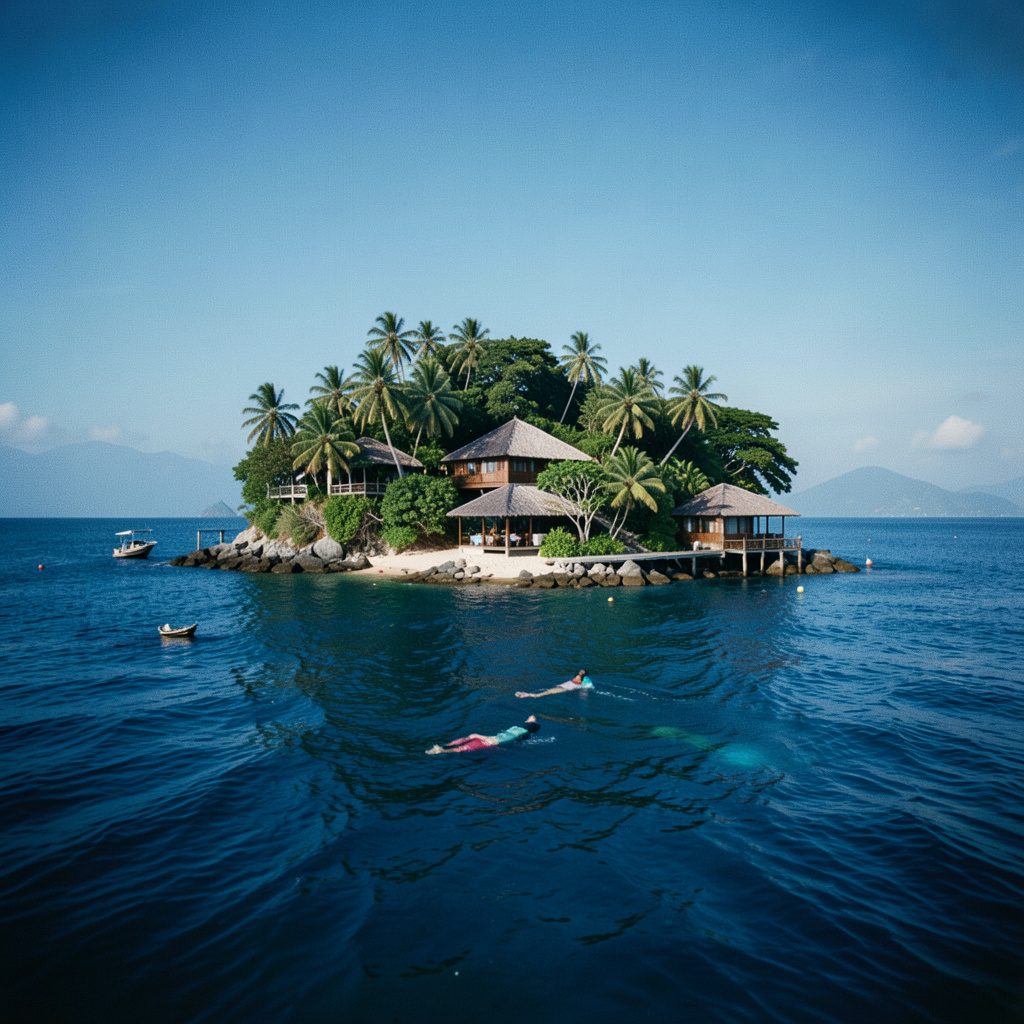


Seafood on Koh Tao: Fresh Catches and Great Restaurants
Koh Tao sits in the Gulf of Thailand, and its food follows the rhythm of the sea. The day’s catch shapes restaurant menus, while Thai herbs, chilli and coconut give local dishes their character and familiar international recipes appeal to visitors who want a lighter holiday choice.
Fresh does not always mean the fish was landed that morning. Weather, tides, fishing grounds and mainland supply chains affect availability, so many kitchens call a dish a daily catch only when it is genuinely seasonal. A changing menu can therefore signal a kitchen working closely with its suppliers.
For Australians, the island offers a welcome mix of Thai heat, beach barbecue and polished seafood dining. The useful details are where to go, how the catch is cooked, what a meal costs and when kitchens open, from the first daytime meal to a late sunset dinner.
What the Koh Tao Catch Usually Includes
Common island specialties include tiger prawns, squid, cuttlefish, octopus, lobster, grouper, mackerel and red snapper, depending on supply. Prawns are often served whole, while line fish may arrive grilled with lime and chilli. Large fish and shellfish become platters built for sharing.
When a restaurant promotes a catch of the day, ask its name and origin if staff are unsure whether it is local, and look for a cold, well-kept display. Simple treatment is usually the best test: fresh fish needs little more than heat, seasoning and a squeeze of citrus.
Mae Haad: The Island's Seafood Hub
Mae Haad is the island’s practical seafood capital because the pier, shops and restaurants sit together. The Seafood Restaurant and Fisherman’s Cottage are useful starting points for grilled fish, prawns and Thai-style seafood, with menus that range from quick lunches to full dinner plates.
Choose a busy kitchen with steady turnover, particularly for shellfish. The nearby market and harbour activity give Mae Haad the same sense of culinary immediacy as Sydney Fish Market, although the island’s supply is smaller and many ingredients travel from mainland Thailand. Arrive before the evening rush for a wider choice.
Ko Pha and Fisherman's Village
Ko Pha is calmer and more resort-focused, with a curved bay that turns sunset into an event. Fang Da in Fisherman’s Village is a solid choice for Thai seafood, while hotel kitchens around the bay offer grilled catches and international versions for guests who prefer familiar flavours.
At Ko Pha, the setting often matters as much as the plate. Melbourne diners accustomed to choosing fish at Queen Victoria Market may appreciate the clearer island provenance, and an evening grill recalls the relaxed rhythm of an Australian backyard barbecue without requiring anyone to cook.
Comparing Seafood Dining Around the Island
Each part of the island suits a different appetite. Mae Haad wins on convenience and range, Ko Pha on atmosphere, and the southern beaches on a slow, barefoot finish to the day.
| Area | Seafood focus | Places to try | Best time |
|---|---|---|---|
| Mae Haad | Grilled catch, prawns, squid and Thai seafood | The Seafood Restaurant; Fisherman’s Cottage | Lunch or early dinner |
| Ko Pha | Seafood curries, grilled fish and sunset dining | Fang Da; beachfront hotel kitchens | Late afternoon |
| Bang Bao | Platters, lobster and grilled catches | Ombak and seasonal beach shacks | Sunset |
| Bang Khao | Fried fish, tom yum and family-style plates | Independent beachfront restaurants | Lunch |
For a first meal, Mae Haad offers the easiest comparison across styles, while Ko Pha is the stronger choice for a long, scenic dinner. Bang Bao rewards a later visit after a beach afternoon. Always check current opening days, as small restaurants and seasonal shacks can change schedules without warning.
Bang Bao and Bang Khao
Bang Bao has a more spacious, beach-casual mood than Mae Haad. Ombak is a useful pick for seafood and grilled dishes, and the smaller shacks along the sand can be ideal for prawns, squid or a mixed platter. Late-afternoon light and a relaxed pace make this the island’s sunset dining pocket.
Bang Khao suits travellers looking for family-style Thai food rather than a destination dinner. Fried fish with chilli and herbs, spicy prawn soup and rice-based seafood dishes are more common here. These kitchens are practical for lunch between beaches or a dive, and the pricing is often easier on the wallet.
Ordering, Paying and Australian Expectations
Menu English can vary. Pla thot is fried fish with herbs and chilli, goong tod means fried prawns, and tom yum goong is the well-known hot and sour prawn soup. Grilled catch is commonly served with rice, vegetables and a sweet chilli dip. Ask for the sauce and chilli on the side if you prefer Australian-sized heat.
Australians are used to bringing their own wine to many restaurants; on Koh Tao, BYO may be allowed, charged or prohibited, so check before ordering alcohol. Bills may include a service charge, while smaller cafés may not. Carry some baht for market stalls and family kitchens, keep cards for larger restaurants, and note that many kitchens open and close early.
Building a Seafood Meal Into Your Island Day
When comparing Koh Tao budget stays, choose a base in or near Mae Haad if dining variety is the priority, or around Ko Pha if a quiet sunset dinner matters more. Staying inland by Bang Bao or Bang Khao also works well, provided dinner transport is arranged, as many beach restaurants close after the evening meal.
After snorkeling or a diving course, start with grilled fish or prawns at midday, then choose a more elaborate seafood platter later. Reserve sunset tables in Ko Pha or Bang Bao during peak season, and leave room for a bowl of tom yum goong the next morning. The best island meal matches the catch, the shore and the hour.