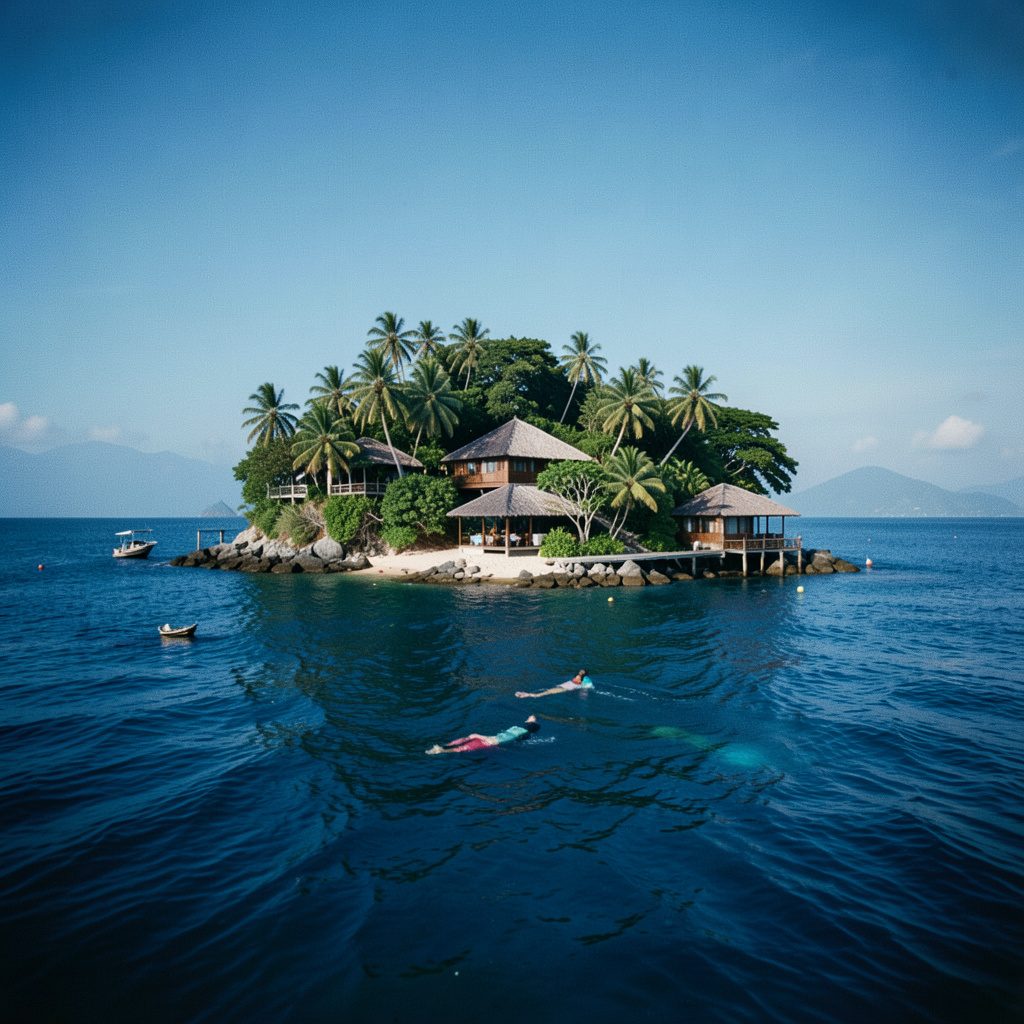


How to Choose the Perfect Bungalow Resort on Koh Tao
Koh Tao suits travellers who want warm water, relaxed beach days and easy access to some of Thailand’s best diving. Accommodation ranges from simple bamboo bungalows near the sand to stylish hillside villas with pools, so the right choice depends on how you plan to spend each day.
For Australians, the island can feel wonderfully different from a city break in Sydney, Melbourne or Brisbane. Roads are narrower, ferries shape arrival times, and a short map distance may involve steep hills or a slow taxi ride. Choosing a resort by location, facilities and booking conditions helps prevent small inconveniences from affecting the holiday.
A good bungalow resort should fit your budget, sleep style and travel plans. It should also make practical sense for the season, particularly if you are visiting during Australian school holidays or seeking a diving course with a fixed start date. The following points make it easier to compare Koh Tao accommodation with confidence.
Match Location To Your Holiday Style
Sairee Beach is the most popular area for travellers who want restaurants, beach bars, shops and evening activity close by. It is convenient for first-time visitors and social groups, although resorts near the busiest road may experience music, traffic and more footfall than a secluded property.
Mae Haad is useful when ferry convenience matters. The main pier, dive operators, travel offices and local services are nearby, which can be valuable after a long journey from Bangkok or a connecting flight through Koh Samui. Chalok Baan Kao and the southern bays offer a quieter atmosphere, while hillside accommodation around Tanote or Shark Bay may provide better views and a more private setting.
Think about transport before booking a remote bungalow. A scooter can be useful, but Koh Tao’s steep roads, loose surfaces and limited street lighting require care. Visitors who are not confident riding should choose a resort with taxi access, organised transfers or walkable restaurants rather than relying on a hire bike.
Check Rooms And Practical Comforts
Bungalow style varies widely. A basic fan-cooled room may suit a short stay in the cooler, drier months, while air conditioning is usually worth paying for during hot and humid periods. Check whether the room has mosquito screens, a private bathroom, hot water, a refrigerator, a safe and reliable Wi-Fi rather than assuming every property includes them.
Read recent reviews for information that promotional photographs cannot show. Guests often mention construction noise, water pressure, insects, steep paths, generator use and the actual condition of mattresses. A hillside view can be attractive, but carrying luggage up uneven steps may be inconvenient after a ferry crossing.
Australians are accustomed to 230-volt electricity and Type I plugs, while Thailand commonly uses several socket styles and 220-volt power. A universal adaptor is sensible, especially for charging phones, cameras and dive computers. Resorts with backup power are useful during occasional outages, although the quality and duration of backup supply can differ.
Look Beyond The Nightly Rate
Compare the complete cost rather than selecting the lowest displayed price. Ask whether breakfast, pier transfers, cleaning, extra guests, air conditioning or credit card fees are included. A cheaper room far from the beach may cost more once taxis and restaurant trips are added.
Currency conversion can also disguise the final amount. Australian travellers should check the exchange rate, overseas transaction fees and whether the booking platform or bank adds a foreign currency margin. Thailand’s prices may feel affordable compared with Sydney or Melbourne, but repeated small purchases, ferry tickets and dive equipment quickly increase the daily budget.
Review cancellation and payment rules carefully. Under the Australian Consumer Law, services supplied to Australian consumers must meet consumer guarantees in relevant circumstances, but overseas accommodation can involve a Thai supplier, an international booking platform and different dispute procedures. Clear written terms, a secure payment method and suitable travel insurance provide useful protection without assuming Australian rules automatically resolve every overseas booking issue.
Choose Around Diving And Water Time
If diving is central to the trip, stay close to a reputable dive school or choose a resort that works directly with one. Short travel times matter when carrying equipment, attending early briefings or completing several dives over consecutive days. Some properties can arrange course bookings, equipment storage and transfers, while others simply provide a room.
Snorkellers may prefer accommodation near a bay with calm, accessible water. Conditions change with wind, tide and boat traffic, so a beach that looks ideal in a photograph may not offer the best daily swimming. Ask about the nearest safe entry point and whether kayaks, longtail boats or snorkelling trips are available.
Seasonal timing affects both accommodation demand and marine activities. Koh Tao sits in the Gulf of Thailand, and weather patterns differ from Phuket and the Andaman coast. Read this guide to the best time to visit Koh Tao before committing to dates, particularly if your plans depend on clear visibility or calm ferry crossings.
Consider Food, Beaches And Daily Convenience
A resort with an attractive pool may still be inconvenient if you want local food, laundry services or an evening walk. Check the distance to cafés, pharmacies, minimarts and the nearest beach. Some travellers enjoy staying in a quiet bay and making occasional trips into town; others prefer stepping out for Thai meals, fruit shakes and seafood each night.
Koh Tao’s local market is generally casual and price-sensitive. Small restaurants, street food stalls and family-run shops can offer excellent value, while resort dining is convenient but often more expensive. Cash remains useful for smaller businesses, taxis and market purchases, even though cards and mobile payments are accepted at many established venues.
Families should verify pool fencing, room configuration, stairs and child policies. Couples may prioritise a private terrace, sunset view and quiet surroundings, while solo divers often value a social common area and easy access to operators. The best resort is the one that supports your daily routine rather than simply having the most impressive photographs.
Compare Resorts Before Booking
Create a short comparison using the features that matter most to your trip. Separate essentials, such as air conditioning or a private bathroom, from attractive extras like a plunge pool or sea view. Also check the property’s arrival instructions, reception hours and late check-in policy because ferry schedules can change.
| Resort priority | Best area or feature | What to verify |
|---|---|---|
| Nightlife and restaurants | Sairee Beach | Noise levels, walking distance and room location |
| Ferry convenience | Mae Haad | Pier transfer, luggage access and early check-in |
| Quiet beach stay | Chalok Baan Kao or a smaller bay | Taxi availability and nearby dining |
| Diving holiday | Near a trusted dive centre | Course schedules, equipment storage and transfers |
| Hillside views | Tanote, Shark Bay or elevated villas | Stairs, road access and transport costs |
| Family comfort | Resort with larger rooms and a pool | Safety features, bedding and child policies |
Before paying, save the booking confirmation, property contact details and transfer instructions offline. Confirm the exact room category rather than relying on a general resort description, and check whether the quoted price is in Thai baht or Australian dollars. These simple checks leave more time for swimming, diving and enjoying Koh Tao’s slower island rhythm.