
Best Time To Visit Koh Tao For Diving And Snorkeling
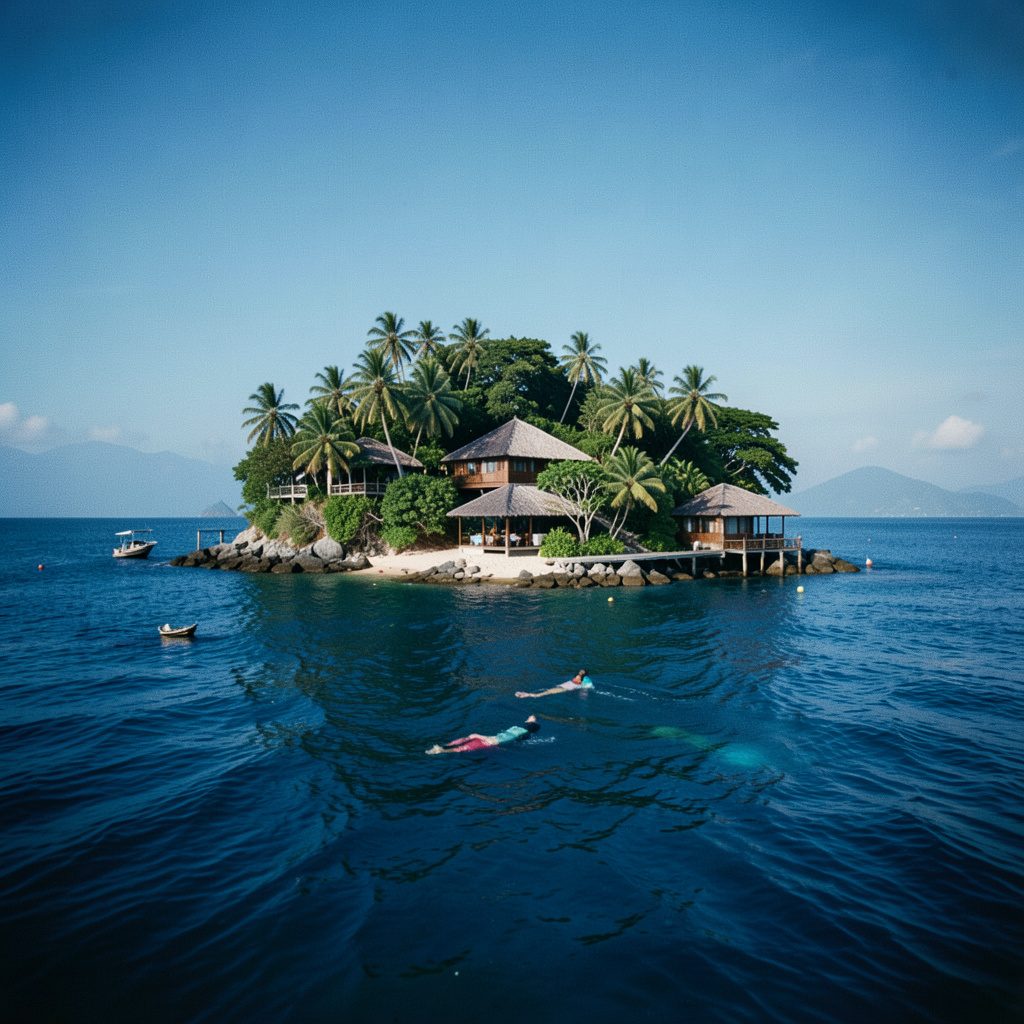
Koh Tao is one of Thailand’s most accessible diving islands, with warm water, sheltered bays and dive sites suited to first-time visitors and experienced divers. Conditions change through the year, so the ideal month depends on whether you prioritise calm seas, underwater visibility, fewer travellers or the chance of seeing whale sharks.
For visitors flying from Sydney, Melbourne, Brisbane or Perth, Koh Tao works especially well as a longer Thailand itinerary rather than a quick island break. Most travellers arrive via Koh Samui, Surat Thani or Chumphon before continuing by ferry, and allowing some flexibility around boat schedules is sensible during unsettled weather.
The island has accommodation for different budgets, from simple bungalows and guesthouses to hillside villas near the main beaches. Travellers comparing Koh Tao bookings can also arrange diving courses and find useful information about beaches, snorkelling spots and local activities before arrival.
February To April Bring Clear Water
February through April is often regarded as one of the strongest periods for diving and snorkelling on Koh Tao. The northeast monsoon has usually eased, rainfall is relatively limited and sea conditions are frequently calm. Visibility can reach impressive levels, although underwater clarity remains dependent on currents, plankton and recent weather.
Water temperatures generally sit around 27–30°C, making a shorty wetsuit or thin full suit comfortable for many divers. These months are popular with Australians escaping winter conditions at home, so accommodation and beginner dive courses can fill quickly around school holidays and Easter.
Whale shark sightings are possible during this period, particularly around deeper offshore sites, but they are never guaranteed. Dive operators should be assessed for safety standards, group sizes, equipment quality and their approach to marine life rather than chosen solely for the possibility of a sighting.
May To September Offer Reliable Island Conditions
May marks the beginning of the hotter season, while June to September often provides a useful balance of good diving and manageable visitor numbers. The water is warm, daylight hours are generous and many days have calm mornings, which are particularly pleasant for snorkelling trips to Mango Bay, Japanese Gardens and Nang Yuan.
Visibility can be excellent in this window, though localised plankton blooms may reduce clarity at times. Plankton-rich water can attract whale sharks, especially around Sail Rock, but it may also mean less predictable visibility. A skilled local guide can adjust the itinerary to suit the day’s currents and conditions.
July and August are busy travel months for Europeans, Australians and families on international holidays. Visitors from Melbourne or Adelaide may appreciate the reliably warm water, while those travelling during the Australian winter should book ferries and popular resorts ahead of time. Koh Tao still feels relaxed away from Sairee Beach, particularly around Chalok Baan Kao and Tanote Bay.
October To January Need More Flexibility
The northeast monsoon usually affects Koh Tao from October into December, with the timing and intensity varying each year. Rain may arrive in short heavy bursts or persist for several days, and rougher seas can lead to delayed ferries, cancelled snorkelling trips and reduced visibility. Diving may continue between weather systems, but schedules can change at short notice.
October can provide worthwhile dive days before the wettest conditions arrive. January is often transitional: the first part of the month can remain unsettled, while later weeks may become increasingly pleasant. Travellers choosing these months should book accommodation with flexible cancellation terms and avoid planning a tight same-day connection between a ferry and an international flight.
January is a popular escape period for Australians dealing with summer heat or travelling during New Year leave. Thai public holidays and international school breaks can increase demand, particularly for beachfront rooms and introductory dive courses. A quieter inland or hillside property may offer better value when rates rise around Sairee.
Snorkelling Depends On Shelter And Tide
Snorkelling conditions are usually best in protected bays with light wind and a rising or mid-range tide. Japanese Gardens near Koh Nang Yuan is known for shallow coral gardens and clear water, while Aow Leuk and Shark Bay can offer colourful fish in suitable conditions. Tanote Bay is another favourite, although access, waves and visibility vary from day to day.
A calm forecast does not guarantee clear water. Run-off after rain can affect bays near developed areas, and strong midday winds can create surface chop. Early morning trips often provide smoother water, softer light and fewer boats, especially during the busier months.
Visitors should use reef-safe habits: avoid standing on coral, maintain distance from turtles and reef sharks, and secure sunscreen, bags and loose equipment before entering the water. Koh Tao’s marine environment is under pressure from tourism, so choosing operators that limit anchoring and explain responsible snorkelling helps protect the sites people come to see.
Match Dive Goals With The Season
New divers can learn year-round, since Koh Tao has numerous shallow training sites and sheltered areas. February to September generally offers the most dependable combination of warm water and workable sea conditions, while the quieter monsoon months may suit travellers who can accept rescheduling.
Experienced divers may enjoy different seasons for different reasons. Clearer water in late winter and spring is attractive for photography, while plankton-rich periods can create opportunities for larger marine life. Sail Rock, Chumphon Pinnacle and Southwest Pinnacle are weather-dependent offshore sites, so local operators decide whether conditions are appropriate.
| Travel period | Typical conditions | Best suited to |
|---|---|---|
| February–April | Warm, often calm, strong visibility | Clear-water diving, first courses, snorkelling |
| May–June | Hot, warm sea, generally favourable | Flexible divers and quieter beach days |
| July–September | Good water temperatures, variable visibility | Diving, island trips, winter escapes |
| October | Transitional weather, occasional rough seas | Flexible itineraries and lower-season travel |
| November–December | Highest chance of rain and ferry disruption | Travellers comfortable with changing plans |
| January | Mixed early conditions, improving later | New Year travel with weather flexibility |
Plan Around Conditions And Connections
The most practical approach is to allow at least one spare day around the ferry journey. Lomprayah and other services connect Koh Tao with nearby islands and mainland ports, but sailing times can be adjusted or suspended when seas become unsafe. Travellers connecting to flights from Koh Samui should avoid booking an unnecessarily tight transfer.
Accommodation location also affects the experience. Sairee is convenient for dive schools, restaurants and nightlife, while Mae Haad is useful for ferry arrivals. Chalok Baan Kao, Tanote and the southern bays are generally quieter, though taxis and steep roads can make getting around less convenient.
For Australians, pricing can shift noticeably with the Thai baht, peak-season demand and holiday dates. Comparing a complete trip cost—including flights, ferry tickets, accommodation, dive insurance and course fees—gives a more realistic picture than judging room prices alone. With suitable planning, Koh Tao can deliver warm-water diving and rewarding snorkelling across much of the year, with February to September usually offering the easiest conditions.