
A first-timer’s guide to scuba diving in Koh Tao
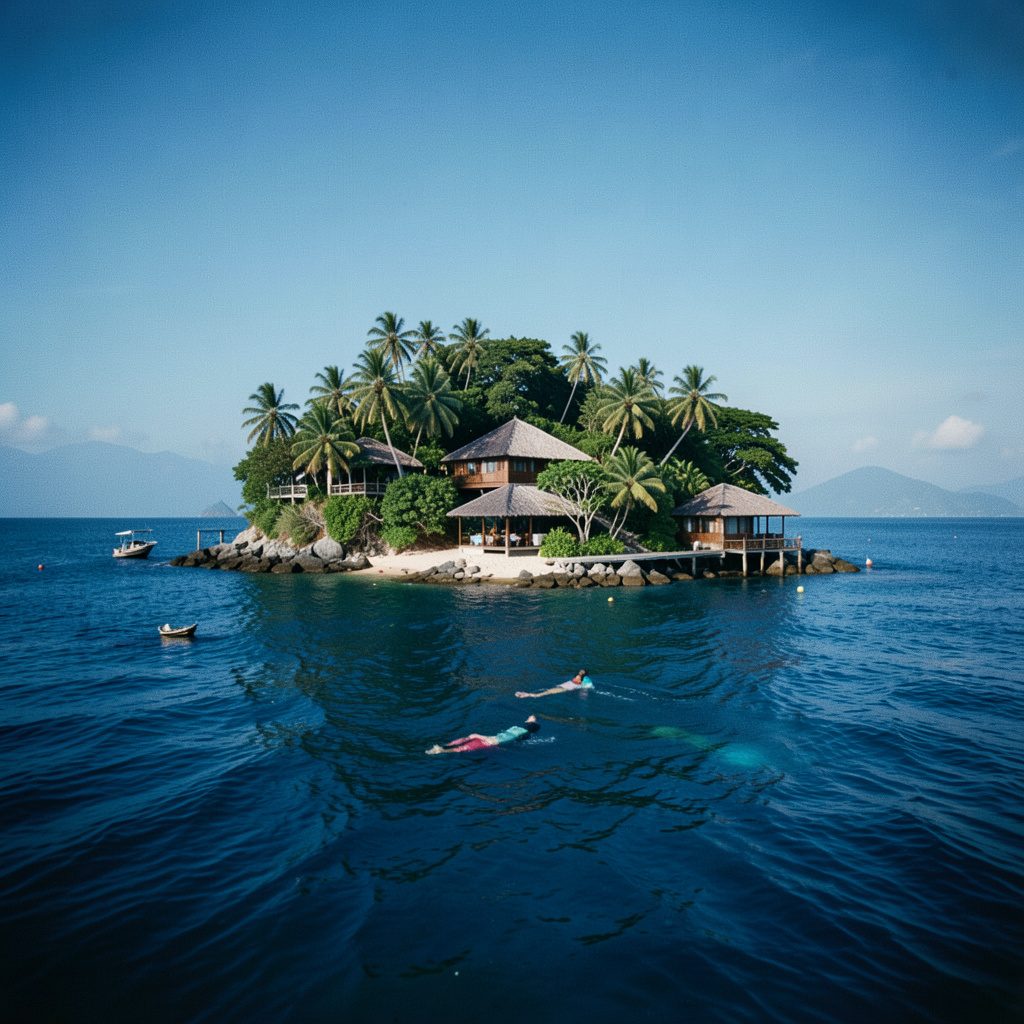
Koh Tao is one of Thailand’s easiest places to try scuba diving, with calm tropical water, plentiful dive schools and courses designed for complete beginners. The island’s compact size also makes it simple to combine a few days of training with beaches, snorkelling trips and relaxed evenings by the sea.
For Australian travellers, the experience feels accessible without being overly formal. You may hear instructors say “no worries” when explaining a skill, while the warm water is a welcome change from a winter dive at Sydney, Melbourne or Perth. Koh Tao is also generally more affordable than many Australian dive destinations, particularly for a full Open Water certification.
Most visitors arrive by ferry from Koh Samui or the mainland port of Chumphon. Once on the island, dive centres are concentrated around Mae Haad, Sairee Beach and Chalok Baan Kao, so accommodation, restaurants and training facilities are usually close together.
A little preparation makes the first dive far more enjoyable. Understanding the course options, choosing suitable accommodation and knowing what conditions to expect will help you arrive relaxed and ready to learn underwater.
Choosing the right course and dive school
The most common beginner pathway is the PADI Open Water Diver or SSI Open Water Diver course. Both typically include theory, confined-water practice and four open-water dives, allowing certified divers to descend to a maximum recreational depth of 18 metres. Many schools offer digital learning before arrival, which can leave more time for practical training on the island.
A good school should explain costs clearly and include equipment rental, boat trips, instruction and certification fees in the quoted price. Ask about instructor languages, class size and the schedule for medical forms and swimming assessments. Small groups can provide more individual attention, while larger established schools may offer a broader range of dates and dive sites.
Accommodation also affects the learning experience. Staying near the pier is convenient for early boat departures, while Sairee offers more dining and nightlife. A hillside villa can be peaceful, but steep roads and scooter travel may be inconvenient after a long day in the water. You can choose the right resort by comparing location, transport access and the amount of rest you want between training sessions.
What your first dives will feel like
Beginner dives normally take place in sheltered bays or well-known training sites with relatively gentle conditions. Your instructor will demonstrate how to clear a flooded mask, recover a regulator, control buoyancy and communicate with hand signals. These skills may feel awkward at first, but repetition quickly makes them more natural.
Breathing underwater is often the biggest mental adjustment. Slow, steady breaths help conserve air and reduce unnecessary movement. Rather than trying to swim constantly, use your fins calmly and allow your buoyancy control device to help you hover. Your instructor will stay close and guide the pace.
Koh Tao’s water is warm for most visitors, often around 27–30°C, so a standard wetsuit is usually comfortable. The underwater scenery can include colourful reef fish, anemonefish, butterflyfish and occasional turtles. Whale sharks are seasonal visitors rather than a guaranteed sighting, so the best approach is to enjoy each dive site on its own terms.
Preparing before leaving Australia
Australians travelling from Brisbane, Sydney, Melbourne, Adelaide or Perth should allow time for connecting flights and ferry transfers. A common route involves flying to Koh Samui, then taking a ferry to Koh Tao; travelling via Bangkok and Chumphon can sometimes offer more budget-friendly combinations. Check ferry times carefully if your flight arrives late in the day.
Many Australian dive shops and training agencies can help with online theory or referral paperwork before departure. This can suit travellers who want to spend less holiday time in a classroom, although the open-water dives still need to be completed in Koh Tao under an approved instructor.
Pack reef-safe sunscreen, a reusable water bottle, swimwear and a light long-sleeved top for sun protection on the boat. Australians are familiar with strong UV levels from days at Bondi or the Gold Coast, but tropical humidity and reflected sunlight on the sea can still cause a fast burn. Bring travel insurance that covers scuba diving to the depth planned for your course.
Staying safe and comfortable underwater
Never dive while congested, hungover or unusually tired. Ear equalisation should feel gentle; if pressure or pain does not clear, signal your instructor and ascend slightly rather than forcing it. Avoid flying immediately after diving, following the time limits advised by your dive centre and travel insurer.
Boat conditions can vary, particularly during monsoon periods or when wind affects the Gulf of Thailand. A seasickness tablet taken according to medical advice, a light breakfast and a position near the centre of the boat can help. If you are prone to motion sickness on ferries between Manly and Circular Quay, prepare for the possibility of a longer tropical boat ride.
Respect the reef by maintaining neutral buoyancy, keeping hands off marine life and avoiding contact with coral. Use the dive centre’s rinsing and equipment procedures, and listen closely to local briefings about currents, entry points and wildlife. Responsible diving protects the sites that make Koh Tao attractive to new and experienced divers.
Planning a complete Koh Tao dive holiday
A first course usually requires three to four days, though adding a spare weather day is sensible. Travellers with a tight itinerary should avoid scheduling a flight immediately after their final dive. Once certified, you can book fun dives to explore deeper sites, practise buoyancy or look for larger pelagic species with a guide.
Koh Tao works well as part of a wider Thailand journey. You might spend a few nights on Koh Samui before crossing over, continue to Koh Phangan, or return through Chumphon for mainland travel. The island also offers viewpoints, Thai cooking classes, beach walks and snorkelling excursions for friends or family members who are not diving.
| Planning point | What to expect |
|---|---|
| Beginner certification | Usually three to four days, including theory, skills and four open-water dives |
| Water temperature | Commonly about 27–30°C, with a light wetsuit often suitable |
| Main dive areas | Mae Haad, Sairee and Chalok Baan Kao for accommodation and dive schools |
| Best preparation | Complete digital theory, arrange insurance and leave a weather buffer |
| Essential habits | Equalise early, breathe slowly, protect the reef and follow your instructor |
With warm water, accessible dive centres and a friendly island atmosphere, Koh Tao gives first-time divers a manageable place to build confidence. The most rewarding experience comes from taking the course at a comfortable pace, allowing enough rest, and treating every underwater encounter as part of the adventure rather than chasing a particular sighting.