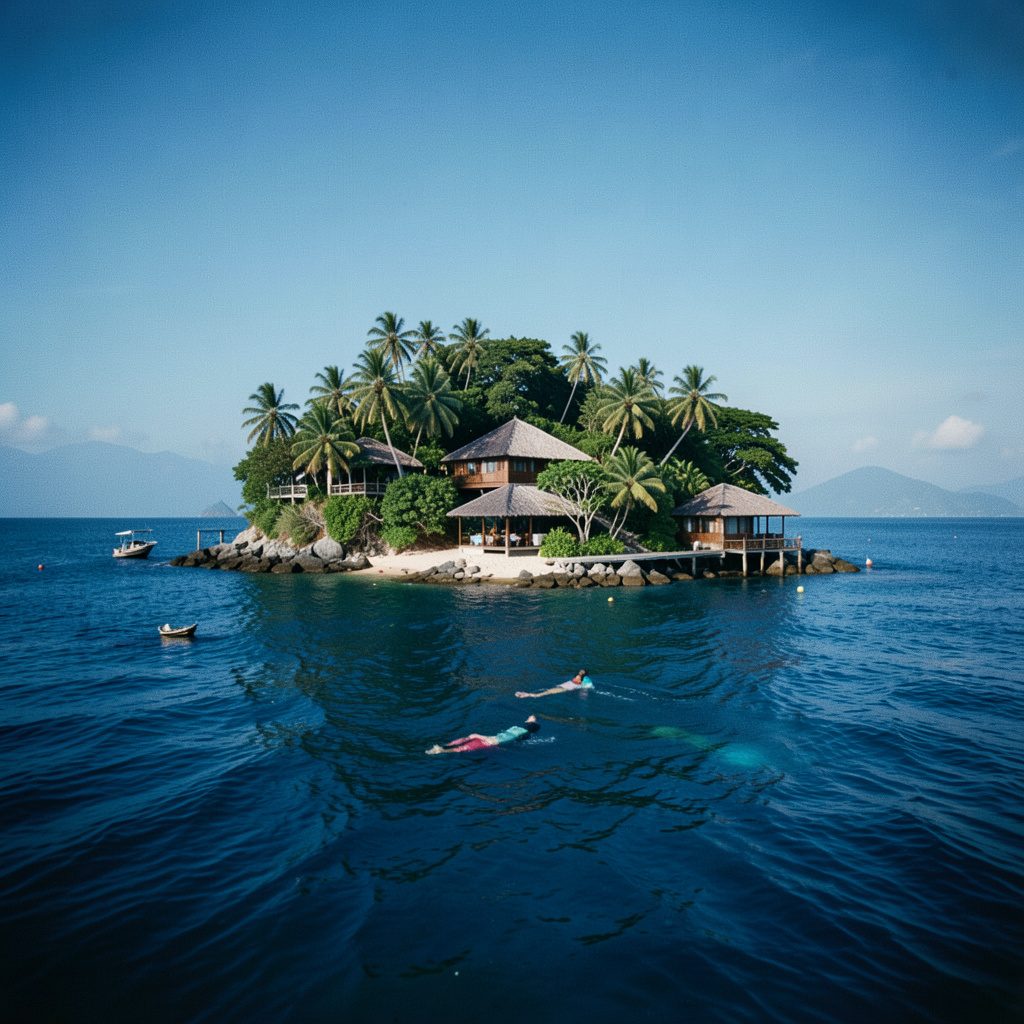


Where to Eat on Koh Tao for Every Kind of Traveller
Koh Tao is small enough to explore by scooter, songthaew or taxi, yet its food scene covers far more than basic Thai staples. Along the main roads and beachfront lanes, you will find smoky wok stalls, seafood restaurants, smoothie bars, bakeries, vegan cafés and kitchens serving familiar western meals.
For Australian visitors, eating here can feel refreshingly informal. A quick pad kra pao may cost less than a café lunch in Sydney, while a beachfront dinner can still offer excellent value compared with Melbourne or Brisbane. Meals are usually relaxed, and tipping is appreciated rather than compulsory.
The island’s dining rhythm follows the tropical climate. Breakfast cafés open early for divers and travellers, street-food vendors become livelier in the late afternoon, and many restaurants serve dinner until around 9 or 10 pm. Popular venues can fill quickly during the high season, especially around Sairee Beach.
Where you stay also shapes your choices. A resort near Mae Haad makes it easy to reach markets and ferry connections, while Sairee offers the widest selection of international restaurants. Chalok Baan Kao and the quieter southern bays suit travellers who prefer local eateries and sunset meals away from the busiest strip.
Thai Dishes Worth Seeking Out
Thai food on Koh Tao is built around fresh herbs, chilli, lime, garlic and seafood. Start with familiar dishes such as pad Thai, green curry, tom yum and mango sticky rice, then try regional favourites that show more of the country’s everyday cooking. Pad kra pao, usually served with minced pork or chicken and a fried egg, is a reliable fast meal.
Southern Thai flavours can be especially bold, with stronger chilli and fragrant curry pastes. Gaeng som, a sour and spicy fish curry, is worth ordering if you enjoy intense flavours. Grilled squid, prawns and whole fish are common near the coast, often served with a sharp seafood dipping sauce.
At local restaurants, you can request “mai phet” for less spicy food, although the result may still have some heat. Rice is central to most meals, and dishes are often shared rather than served as individual courses. A small family-run shop may have no extensive menu in English, so pointing to nearby plates or using a translation app can make ordering easier.
Street Food, Markets And Affordable Meals
Mae Haad and Sairee have small food markets and roadside stalls where you can assemble an inexpensive dinner. Look for grilled chicken, pork skewers, fried rice, roti, noodle soups, fresh fruit and coconut-based sweets. These stalls are useful for divers who want something quick after a morning boat trip.
Food safety habits are sensible in the tropics. Choose stalls with a steady flow of customers, watch for food cooked to order, and carry hand sanitiser. Bottled water is widely available, and visitors should check that ice comes from a clean commercial source, particularly at less established vendors.
Australians used to weekend farmers’ markets in places such as Adelaide, Perth or Hobart may enjoy the island’s informal produce culture. Koh Tao’s markets are not identical to Australia’s carefully regulated community markets, but they provide a close look at local fruit, seafood and prepared food. Cash remains useful, especially for small stalls, although larger cafés increasingly accept cards or mobile payments.
Cafés And International Flavours
Koh Tao has a strong café culture shaped by divers, long-stay visitors and international residents. In Sairee, expect smoothie bowls, sourdough, eggs, pancakes, salads, burgers and coffee made with beans from Thailand or abroad. Several cafés cater to vegetarian, vegan and gluten-free diets, though cross-contact can still occur in compact kitchens.
Italian, Mexican, Indian, Mediterranean and Middle Eastern food is available in tourist areas. Pizza and pasta are popular choices after several days of rice-based meals, while falafel, hummus and vegetable curries give plant-based travellers plenty of variety. Prices are generally higher than at Thai street stalls, particularly for imported ingredients.
Coffee standards can vary, but Koh Tao has plenty of serious espresso bars. Australians accustomed to flat whites in Melbourne or a strong long black in Sydney should describe their preference clearly. Some cafés serve excellent local coffee, while others focus more on fruit drinks and relaxed atmosphere than technical brewing.
For travellers who want a quiet evening after dinner, a little online downtime can be part of the holiday routine; an evening entertainment guide may be useful when planning relaxed nights at your accommodation.
Seafood And Sunset Dining
Fresh seafood is one of the island’s biggest attractions. Menus may include barracuda, snapper, prawns, squid and crab, depending on the day’s supply. Ask how the fish is priced before ordering, as some restaurants charge by weight. Grilled preparations allow the quality of the seafood to stand out, while stir-fries and curries provide stronger seasoning.
Beachfront restaurants around Sairee are well suited to sunset, but views usually come with a higher bill. Mae Haad offers convenient dining close to the pier, while Chalok Baan Kao has a slower atmosphere and attractive evening light. During busy periods, arriving before sunset is the easiest way to secure a good table.
Alcohol laws and local customs matter. Thailand restricts alcohol sales during specified hours and on some Buddhist holidays, while venues must follow local licensing rules. Australian travellers should avoid assuming that every beach bar can legally serve drinks at any time. Drinking on roads or around ferry piers is also poor etiquette and can create safety problems.
Choosing Food By Area And Budget
The best dining area depends on whether you value variety, convenience or quiet surroundings. Sairee is the easiest choice for international food and nightlife, while Mae Haad works well for early breakfasts and ferry-day meals. More southern areas offer peaceful restaurants but fewer late-night options, so check transport before settling in for dinner.
Expect to pay the least at markets and local noodle shops, more at casual western cafés, and the most at seafood restaurants with prime beachfront positions. Prices can change with imported produce, catch availability and seasonal demand. A service charge may appear at some restaurants, but tipping is not generally expected in the same way as in parts of Australia.
| Dining Style | Typical Setting | Best For | Budget Level |
|---|---|---|---|
| Local street food | Markets and roadside stalls | Quick, authentic meals | Low |
| Thai family restaurant | Main roads and village lanes | Shared dishes and seafood | Low to medium |
| Café brunch | Sairee and Mae Haad | Coffee, breakfast and light meals | Medium |
| International restaurant | Tourist areas | Pizza, Indian, vegan and western food | Medium |
| Beachfront seafood | Sairee and southern bays | Sunset dinners and fresh fish | Medium to high |
A balanced food itinerary might include a market meal, a Thai curry, a café breakfast and one seafood dinner. Booking is rarely needed for simple local venues, but popular beachfront restaurants can be busy in December, January, July and August when Australian school-holiday travel increases. Carry some cash, respect spice levels and remain flexible: on a small island, the freshest and most memorable meal may be the one found a few streets away from the main tourist road.