What to expect on a Koh Tao dive course, from theory to reef checkout
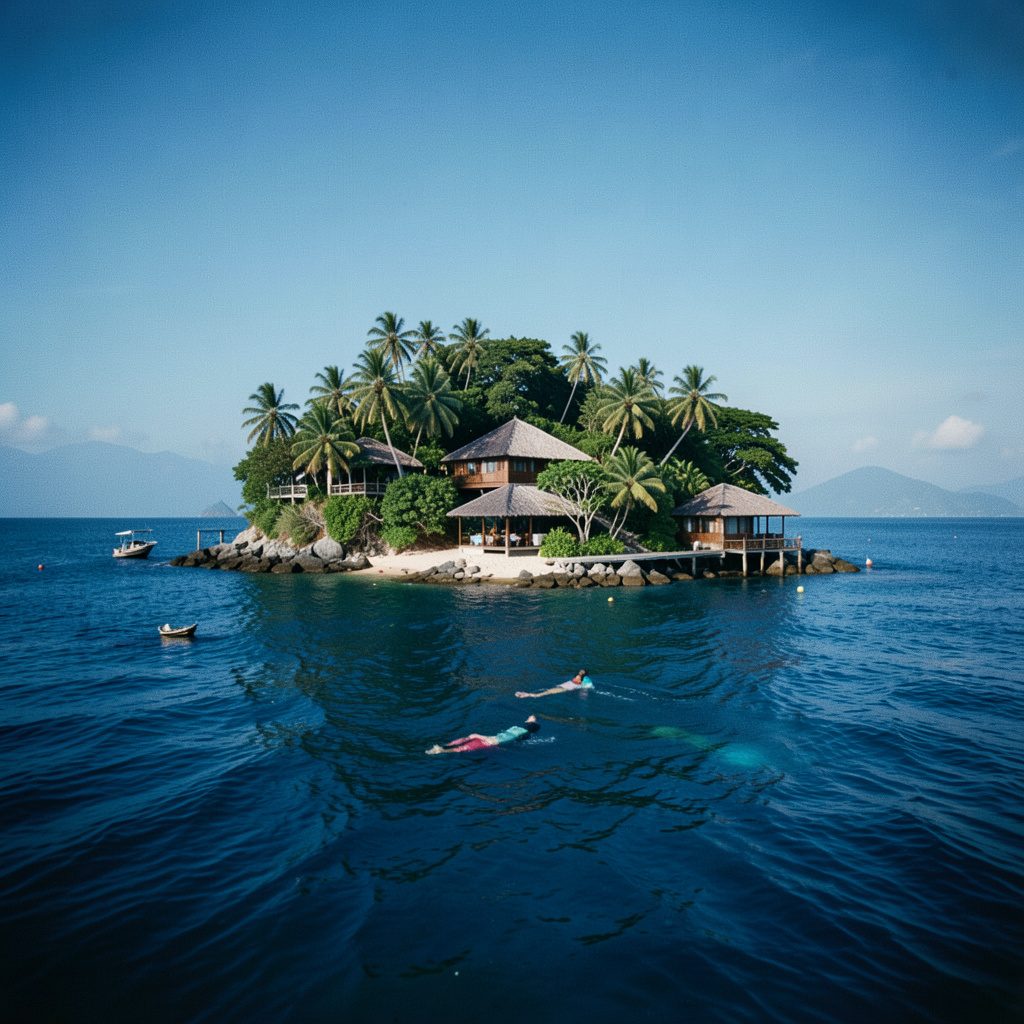
Koh Tao sits in the Gulf of Thailand like a compact classroom for new divers. Long before travellers arrive, the island has trained hundreds of thousands of recreational scuba divers, making it one of the most concentrated dive training hubs in the world. Warm water, sheltered bays and affordable dive schools draw a steady flow of Australians looking for something more meaningful than a standard Southeast Asia beach trip.
The route from Sydney, Melbourne or Brisbane usually runs through Bangkok or Kuala Lumpur, followed by an overnight sleeper train or a short flight to Chumphon, then a ferry to the island. Most divers arrive with a few days to settle in, eat pad kaprao at a beachside restaurant, and adjust to the slower pace before stepping into a wetsuit.
Picking a school and the right certification level
The first decision is whether to commit to a beginner-friendly Open Water course or to extend the stay with an Advanced Adventure program. The entry course typically spans three to four days, mixing classroom work, pool sessions and four open water dives. The advanced option adds five adventure dives across deep diving, navigation, night diving and other specialties, often with shorter theory commitments.
School choice matters as much as course choice. Reputable centres are affiliated with recognised training agencies, employ instructors with current local experience, and keep student-to-instructor ratios small. Look for shops that insist on medical questionnaires, explain confined water drills at a comfortable pace, and allow students to repeat skills if needed. Recent traveller feedback and conversations in Koh Tao's dive cafés quickly reveal the well-run operations.
Theory sessions, pool work and the skills test
Most Koh Tao dive courses begin with knowledge development using manuals, online study apps or instructor-led presentations. Topics cover basic dive theory, how pressure affects air spaces, the importance of equalisation and the rules of buddy diving. Students who arrive having read the theory in advance tend to spend less time in the classroom and more time in the water.
Confined water sessions happen in a purpose-built training pool or in a sheltered bay with a sandy bottom. Expect to practice regulator recovery, mask clearing, buoyancy control and the art of slow breathing. Australian divers used to colder water often find the tropical conditions forgiving, yet instructors still emphasise steady weighting and good fin technique before any open water dive takes place.
Open water dives around Koh Tao's reefs
Once skills are signed off, students usually head to nearby dive sites such as Mango Bay, Japanese Gardens or Twins. These shallow spots offer gentle slopes, clear visibility and colourful reef fish that make the first ocean dives memorable. Buoyancy remains the focus, along with the simple skills of descending together, ascending slowly and monitoring air consumption.
Day four typically includes deeper dives and more navigation practice. By the end of the open water component, divers are certified to dive to 18 metres anywhere in the world. For Australian travellers thinking of continuing the sport back home at sites like the HMAS Swan at Exmouth, certification here opens the door to countless new dive experiences.
Daily life on Koh Tao while studying
Course days usually run from morning until late afternoon, leaving evenings free for dinner, beach sunsets and the occasional night out. Sairee Village is the busiest hub, with music spilling out of beach bars, restaurants serving Thai staples and Western comfort food, and dive shops clustered within walking distance. Many Australians on a working holiday treat the course as a natural break from a longer Southeast Asia circuit.
Accommodation choices include hillside bungalows, beachfront resorts and shared dorms catering to budget travellers. Most centres partner with nearby places to offer course-and-stay packages, which often work out cheaper than booking each element alone. Travellers used to paying for dive training in Sydney or the Gold Coast frequently find the value here surprisingly good.
Costs, gear and what to expect to pay
Course fees on Koh Tao range widely. A standard beginner certification through a long-established centre typically costs a fraction of what the same program costs in Australia, especially when factoring in accommodation and meals. Most prices are quoted in Thai baht, yet the savings compared to Australian dive schools make the trip appealing for budget-conscious travellers.
Gear is generally provided as part of the package: mask, snorkel, fins, regulator, BCD, wetsuit and tanks. New divers rarely need to buy their own equipment before the course, although many pick up a personal mask and a logbook during their stay. Spending on mask defog, reef-safe sunscreen and a few post-dive meals adds up, yet the overall outlay remains modest.
After certification and continuing the journey
A freshly certified diver often spends the remaining days of a Koh Tao trip doing fun dives, completing a peak performance buoyancy specialty or staying on for an Enriched Air Nitrox course. Each of these adds value to the certification and makes the journey home feel richer.
Back in Australia, the certification is recognised at dive centres from Cairns to Perth. Many travellers plan a return trip specifically to dive Ningaloo Reef, Julian Rocks or the Poor Knights Islands, now armed with the skills gained in the Gulf of Thailand.
| Course type | Typical duration | Open water dives required | Depth limit | Best for |
|---|---|---|---|---|
| Open Water Diver | 3 to 4 days | 4 | 18 m | First-time divers seeking worldwide certification |
| Advanced Adventure | 2 to 3 days after Open Water | 5 adventure dives | 30 m | Divers wanting depth, navigation and night experience |
| Peak Performance Buoyancy | 1 to 2 days | 2 | 18 m | Divers wanting to refine trim and air consumption |
| Enriched Air Nitrox | 1 day | Optional dive | 18 m or course depth | Divers planning deeper or longer dives on future trips |