Discover the Best Beaches and Bays Around Koh Tao
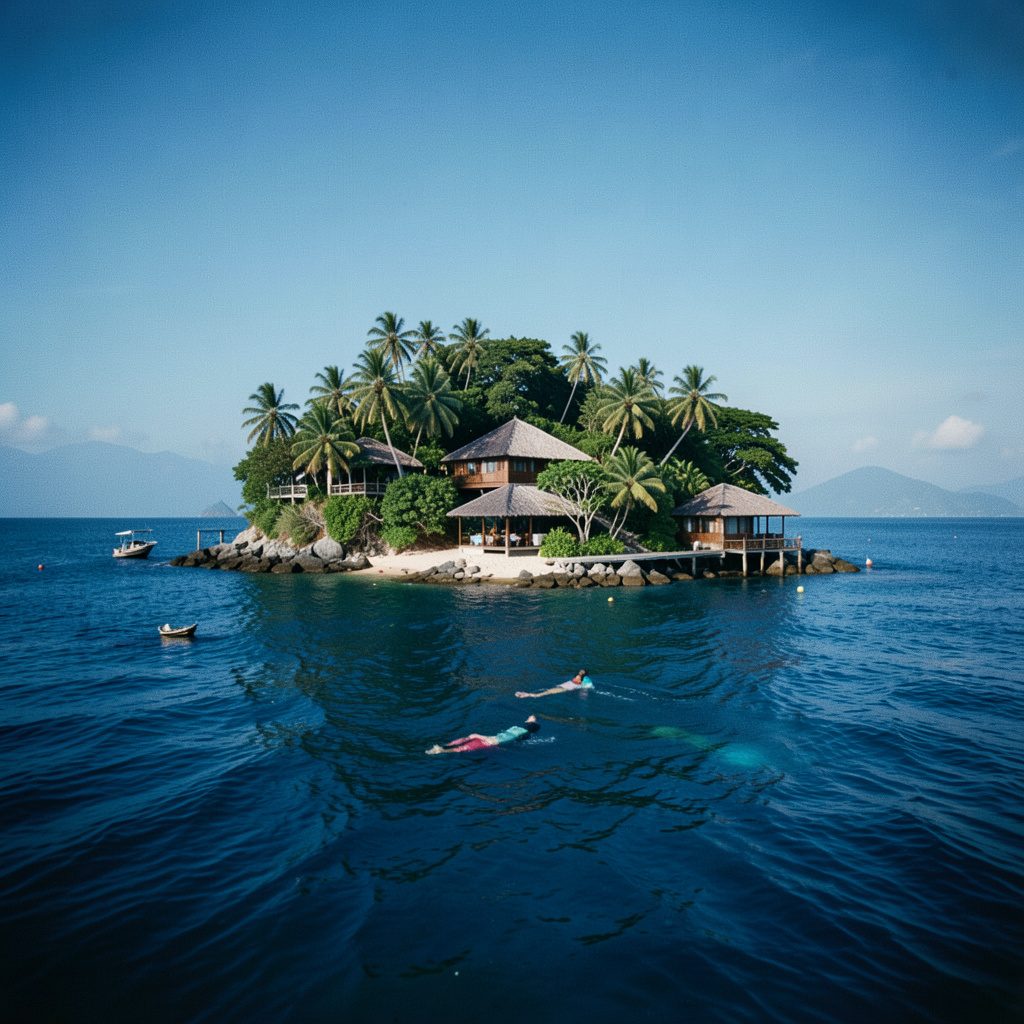
Koh Tao sits in the Gulf of Thailand like a small green comma, ringed by shorelines that range from soft white sand to rocky slabs of granite dropping into glassy water. The island rewards travellers who arrive with a loose plan and a snorkel, since most of its charm lives below the surface and along short walking tracks between neighbouring coves. For Australians weighing up a short-haul tropical escape, the direct flight time from Sydney or Melbourne to nearby Koh Samui or Chumphon, combined with a quick ferry transfer, makes the journey surprisingly painless compared with crossing the Pacific.
Roughly 21 square kilometres of jungle-covered hills hold dozens of swim spots, and the small footprint means visitors can sample several different shores within a single day. Food is affordable by Australian standards, with fresh seafood plates often cheaper than a takeaway coffee in Brisbane's CBD. Travellers should still check Australia's biosecurity rules before flying home, as any sand, shells or coral tucked into luggage can attract hefty fines at the airport.
| Cove | Vibe | Best For | Snorkel Quality |
|---|---|---|---|
| Sairee | Lively and social | Sunsets, beachfront bars | Fair |
| Chalok Baan Kao | Easygoing | Families, long pier | Good |
| Freedom | Secluded | Quiet swims | Excellent |
| Shark Bay | Wild and rocky | Reef sharks, reef life | Excellent |
| Mango Bay | Remote and quiet | Boat trips, picnics | Good |
| Hin Wong | Rugged coast | Photography, rock pools | Fair |
| Ao Leuk | Sheltered and shallow | Beginners, lazy afternoons | Good |
Sairee Beach and the Northern Strip
Sairee stretches along the west coast for nearly two kilometres, anchoring most of the island's nightlife, dive schools and casual eateries. Soft sand slopes quickly into clear water, and the sunsets here pull crowds every evening, drawing comparisons to a smaller, slower version of Byron Bay's main strip. Travellers landing from Sydney or Melbourne often find themselves gravitating to Sairee first because the infrastructure is dense and the dive shops cluster within walking distance of the shore.
The northern end stays relatively quiet even in high season, while the southern section fills with fire dancers and beachfront bars after dark. Accommodation ranges from backpacker dorms to hillside villas, and visitors looking to browse Koh Tao accommodation listings can usually find something within a short walk of the sand. Snorkelling straight off Sairee is fair rather than spectacular, but renting a mask and fins makes for a pleasant afternoon when the tide is high.
Chalok Baan Kao Bay at the Southern Tip
Chalok Baan Kao is the second-longest stretch of shoreline on the island, sitting at the southern end where the hills flatten out into a wide bay. Longtail boats bob near a wooden pier, and the calm water makes it a practical starting point for fishing trips and short snorkel tours. The beach draws a quieter crowd than Sairee, attracting couples and families taking advantage of Australia's school holiday breaks during the September to October window.
Shaded café terraces line the road behind the sand, serving pad krapao and fresh coconuts at prices that would barely cover a flat white in Melbourne. A short walk around the headland leads to a smaller cove used mostly by dive boats, where soft coral gardens sit just a few metres from the surface. The bay's shallow gradient also makes it one of the safer choices for younger children learning to swim in tropical water.
Freedom Beach and the Hidden Pockets
Freedom Beach lives up to its name as one of the least developed stretches of coast on Koh Tao, tucked between granite outcrops on the northwestern edge. Reaching the sand involves a steep twenty-minute walk down a jungle path, which keeps day-trippers to a manageable level. The reward is a crescent of pale sand fringed by boulder formations that shelter snorkellers from the swell rolling in from the open gulf.
Visibility in the water here regularly exceeds fifteen metres, and small schools of fusilier fish swirl around the rocks near both ends of the bay. Visitors usually bring their own water and snacks, as there are no vendors on the beach itself, similar to a self-catered day at a national park back home. Late afternoon brings the best light for photography, with shadows from the headlands stretching across the sand.
Shark Bay and Its Famous Residents
Shark Bay sits on the eastern side of a small peninsula and is regularly listed among the island's top snorkel sites, mostly because blacktip reef sharks patrol the shallow ledges close to shore. The sharks are timid and roughly one metre long, and they tend to ignore snorkellers entirely, leaving visitors free to float above them in around two metres of water. The site's accessibility keeps it busy, but the reef extends far enough that small groups can always find a quiet corner.
Beyond the sharks, the bay holds clusters of staghorn coral, parrotfish and the occasional passing turtle during the November to February season. A rocky entry rather than a sandy beach means sturdy reef shoes are worth packing alongside the usual sunscreen. Boat operators from Chalok Baan Kao offer half-day trips here, often combined with a stop at the nearby Sail Rock dive site for certified divers.
Mango Bay on the Northern Coast
Mango Bay sits at the end of a winding concrete road on the north coast, framed by steep green hills that channel afternoon shade onto the sand. The bay is often overlooked by first-time visitors because of the longer transfer time, which keeps the shoreline relatively uncrowded even during Australian peak travel periods. Boat operators run day trips from Sairee for around the price of a pub lunch in Perth, which makes it an affordable add-on to a beach-hopping itinerary.
The water stays calm through most of the year, and snorkelling reveals healthy coral bommies close to the rocky western wall. Mango Bay also serves as the jumping-off point for short boat rides to the surrounding islets, including Japanese Gardens, where shallow reefs teem with colourful anemones. A small seafood shanty at the back of the beach serves grilled mackerel and sticky rice, paired with views across the open sea toward Koh Phangan.
Hin Wong Bay and the Rocky Eastern Shore
Hin Wong Bay faces east and trades soft sand for dramatic granite boulders that slide straight into deep water. The shoreline is narrow and uneven, but a wooden pier extending several metres offshore gives swimmers a platform to enter and exit the sea without scraping their feet. Below the surface, the bay's unusual geology creates swim-throughs and small caves, attracting more experienced snorkellers who enjoy underwater exploration.
Morning light is best here, since the cliffs cast long shadows once the sun moves past midday. Above the water, the surrounding jungle hides a few hillside viewpoints worth the short scramble, particularly at sunrise when the gulf glows pink. Hin Wong tends to attract independent travellers and photographers, with fewer package tourists than the busier west-coast beaches.
Ao Leuk Bay for a Lazy Final Day
Ao Leuk rounds out the list as a small, sheltered bay on the southeast coast, ringed by low cliffs and a curve of fine sand that fills with sunlight for most of the day. The water is shallow and clear, often compared to a giant swimming pool with a coral garden at the deep end. Families and slower-paced travellers drift here on their last day, packing a snorkel, a paperback and a bag of snacks.
A handful of low-key resorts sit back from the sand, and a single beachfront restaurant serves cold drinks under a tin roof. The bay marks the boundary of the marine park on this side of the island, which helps keep the reef in healthy condition. From Ao Leuk, returning travellers can time their ferry to Chumphon to catch an evening flight back to Australia without rushing.