

Pack Smart for Koh Tao: The Complete Vacation Packing List
Aussie travellers heading to Koh Tao from Sydney, Melbourne or Brisbane can usually find affordable one-stop flights to Surat Thani or Chumphon, followed by a short ferry hop to the island. The journey itself shapes what ends up in your suitcase: you want gear that survives a quick backpack haul over wet ferry decks, fits into overhead bins on budget carriers like AirAsia and Jetstar, and still handles the humid tropical climate once you arrive.
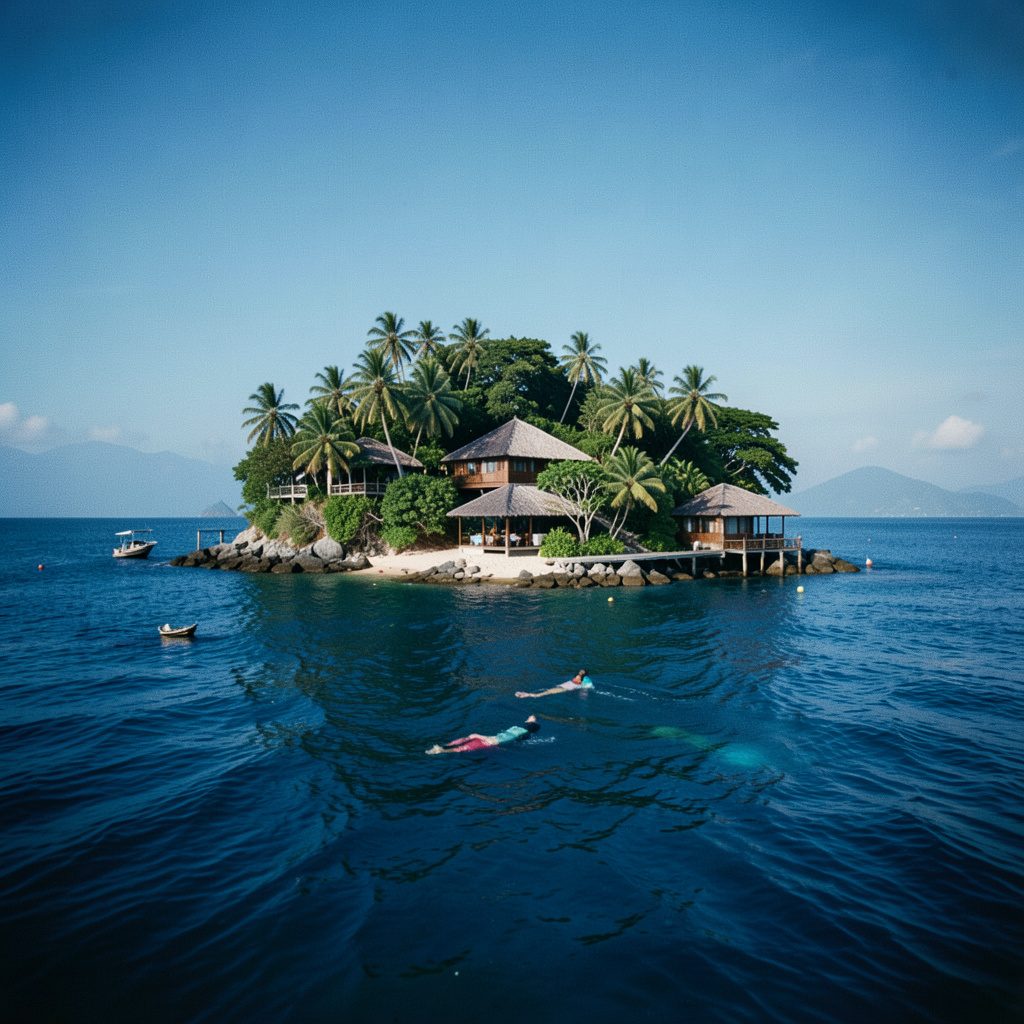
Koh Tao rewards a relaxed pace. Days tend to drift between shaded verandahs at hillside bungalow resorts, lazy swims in sheltered bays, and sunset beers at Sairee Beach after a PADI dive course. Packing for that rhythm means favouring quick-dry fabrics, reef-safe sunscreen, and items light enough to carry up the steep concrete paths that connect the upper road to the shoreline.
Before you zip up your case, it helps to know which basics are cheap to buy on the island versus which are worth bringing from home. Thai pharmacies, 7-Eleven stores and local markets in Mae Haad cover most toiletries, while dive shops loan or rent serious gear. With that balance in mind, here is a thorough checklist tailored to the realities of an Australian holiday on Koh Tao.
Choosing the Right Luggage for the Journey
| Luggage Type | Best For | Weight When Empty | Durability | Carry-On Friendly |
|---|---|---|---|---|
| 40–50L Backpack | Backpackers from Perth, multi-stop itineraries | 1.5–2.5 kg | Moderate | Yes (often) |
| Wheeled Soft Duffel | Couples, families, resort stays | 2–3 kg | High | Sometimes |
| Hard-Sided Suitcase | Travellers flying only with checked bags | 3–4.5 kg | Very high | Rarely |
| Hybrid Convertible | Mix of diving courses and hiking | 2–3 kg | High | Yes |
A convertible backpack-duffel is often the most versatile option. It rolls through Chumphon airport terminals, hauls up to dive boats with shoulder straps, and stows easily under a bungalow bed. Hard cases struggle on Koh Tao's uneven walking paths and the steep steps between Chalok Baan Kao and Sairee, so most experienced travellers leave them at home. Pack cubes also help separate dive logs and reef-friendly toiletries from damp beachwear after a long day at Hin Wong Bay.
Documents, Cash and Connectivity
Australian passport holders do not need a visa for stays under 30 days, but your passport must be valid for six months beyond arrival. Carry a printed copy of your return ticket, dive insurance details and your resort booking confirmation, as paper backups still matter when patchy island connections frustrate digital apps. Pack a small amount of Thai baht in cash for ferry tickets and the odd market vendor; AUD converts easily at Bangkok airport exchanges, though the rate is sharper in Sydney before you fly.
Buy a tourist eSIM from AIS or DTAC before departure or pick up a local SIM at Chumphon airport for around AUD 5. Pocket WiFi units are also rentable at Surat Thani train station if you prefer shared data. A spare Australian-style power adapter works fine for Koh Tao's mix of two-flat and three-round sockets, and a compact surge-protected power board lets you charge a camera, phone and dive torch at once in older bungalow rooms.
Clothing for the Tropics
Lightweight, breathable fabrics earn their space quickly. Pack two pairs of boardshorts, three synthetic T-shirts, a long-sleeved swim shirt for sun protection during boat dives to Chumphon Pinnacle, and a thin rain jacket for the brief May-to-October showers. A modest cover-up or sarong is useful when wandering into local shops near Mae Haad, where shoulders and knees are appreciated in smaller village areas.
Footwear should be practical. Reef shoes protect against sea urchins at Shark Bay, while breathable walking sandals handle the concrete paths between Sai Ree and the upper road. A pair of trainers works for hikes to Mango Bay viewpoint and any evening outings to beach bars. Most Australian visitors leave fancy clothes behind, since casual beachwear fits every dining venue on the island except the most upscale hillside resorts.
Beach, Snorkel and Boat Day Gear
Koh Tao's bays are sheltered, but currents shift through the channels. A dry bag keeps phones, room keys and passports safe on longtail boat rides from Mae Haad pier, and a clip-on towel saves luggage space. Polarised sunglasses cut glare on the water during the long crossing from Koh Phangan, and a wide-brim hat is essential for midday sun. Pack two microfibre towels: one for the beach, one spare for damp gear after snorkelling.
Reef-safe sunscreen is non-negotiable. Many Thai marine parks ban oxybenzone and octinoxide formulas, and Australian brands sold at home, like Cancer Council and Surf Dive 'n' Ski, already meet those standards. Toss in a small first-aid wrap, motion-sickness tablets for choppy ferry crossings, and a refillable water bottle with a built-in filter to cut down on plastic during your stay.
Diving and Snorkelling Equipment
Most Koh Tao dive centres, such as those near Sairee and Chalok, provide full rental gear, so heavy regulators and BCDs can stay at home. Travellers with personal masks and snorkels usually bring them, since fit and comfort matter most for clear vision at Japanese Gardens. Anti-fog spray, spare mask straps and a small tube of silicone grease for O-rings are worth their weight.
Divers completing Open Water or Advanced courses benefit from their own logbook, a rashie or 3mm wetsuit for early morning boat dives, and a reef hook if they already own one from Sydney or the Gold Coast. A waterproof notebook for dive theory classes, a USB stick for course videos, and a small dry pouch for dive computers round out a serious diver's kit without weighing down the bag.
Health, Safety and Everyday Comforts
Australian travellers should pack basic pharmacy items: paracetamol, antihistamines, oral rehydration salts and a broad-spectrum antibiotic course prescribed by a GP before departure. Travel insurance covering scuba diving up to 40 metres is widely available from Australian providers and is required by most Koh Tao dive schools. Bring waterproof plasters for coral scrapes and a small bottle of tea-tree oil, an Australian staple, for soothing minor stings.
Mosquito repellent with DEET or picaridin helps during dawn and dusk walks near jungle trails. Hand sanitiser and quick-dry face wipes stay useful when island water supplies run low. A compact microfibre sleeping sheet or silk liner upgrades basic bungalow bedding on humid nights, and a foldable daypack carries essentials during day trips to Freedom Beach or Ao Leuk.
Smart Packing Strategies Before You Fly
Weigh your bag at home before driving to the airport. Australian budget carriers strictly enforce 7kg carry-on limits, and excess fees often exceed AUD 15 per kilogram, which is more than a Thai 7-Eleven dinner. Roll clothes instead of folding to save space, and place heavy dive accessories near the base of your pack for better balance on uneven ferry ramps.
Photograph every document, label dive gear with a Sharpie, and stash emergency AUD 200 inside your checked luggage in case of theft. Leave room in your bag for the small souvenirs, locally woven bags and dive shop T-shirts that almost every visitor brings home. A thoughtfully packed case makes the trip from Brisbane or Adelaide smoother, sets you up for every activity Koh Tao offers, and lets the island itself do the rest of the work once you are there.