Best time of day for snorkeling on Koh Tao
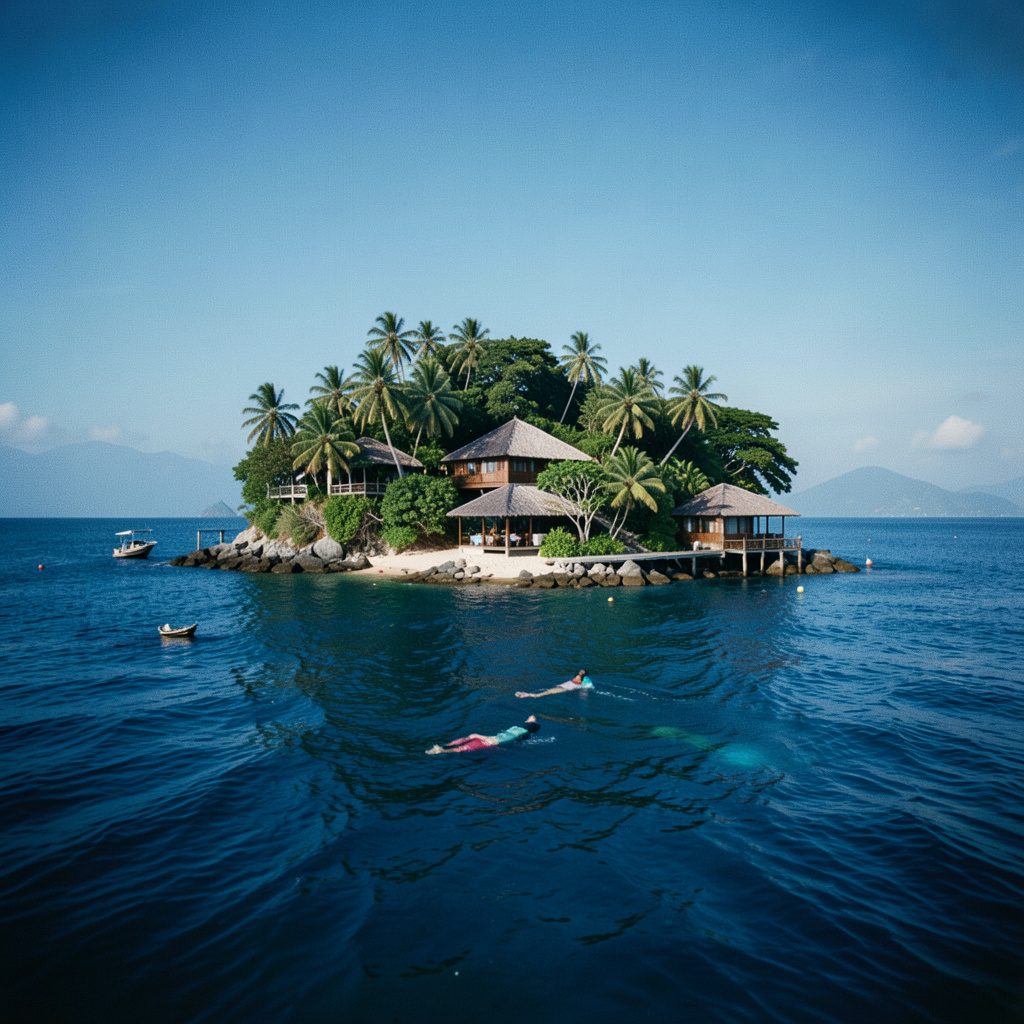
Koh Tao rewards snorkelers who treat timing as part of the destination rather than an afterthought. Finding the best time of day for snorkeling on Koh Tao often means starting around 7 to 10 am, when winds are generally lighter and underwater sightlines can be clearer. A late-afternoon session can be equally rewarding when the wind drops and the light softens, although tides, swells and access can make one period much better than another.
The right choice also depends on whether you plan to swim from shore or join a boat trip. Open water, rock formations and narrow channels can change throughout the day, while a protected bay may remain suitable at almost any hour. Check local conditions, ask accommodation staff about currents and allow enough daylight for a relaxed return rather than rushing to finish as darkness approaches.
Morning light and calmer seas
An early start offers the best balance of calm conditions and good visibility. The first boat traffic has not yet disturbed the water, and the low angle of the sun can make colours appear clearer through a mask. Morning is particularly suitable for beginners because the pace is usually quieter, giving swimmers more time to adjust to fins, breathing through a snorkel and remaining relaxed in the water.
Mae Haad Bay and the area around Freedom Beach are popular choices for a morning session. Conditions are not identical at every entry point, so check the tide chart and recent reports. A rising tide may improve swimming around exposed rocks, while a falling tide can leave shallow patches or exposed coral near the surface. Footwear is also useful at beach entries with uneven rock or slippery trail access.
Midday glare and useful shade
From late morning until early afternoon, bright sun increases glare and makes it harder to spot fish, shallow coral heads or submerged obstacles. Water can still be beautifully clear, but a high sun angle often gives snorkelers a more restricted view than they would have at dawn. Shaded ledges, overhangs and the sides of larger rocks provide welcome relief from both brightness and direct ultraviolet exposure.
Australians often purchase broad-spectrum SPF 50+ sunscreen from Coles, Woolworths or a Chemist before an island trip. Sunscreens sold legally in Australia must comply with Australian Standard AS 4730 and be listed in the Australian Register of Therapeutic Goods, although those requirements do not determine whether a particular formula is suitable for reefs. A rash vest, frequent reapplication and sensible breaks in the sun remain sensible additions to any reef kit.
Afternoon wind and current
As the land warms, a sea breeze can pick up and make surface conditions rougher by midafternoon. Wind-driven chop reduces visibility, pushes swimmers away from their entry point and may create stronger movement around headlands and reef formations. This does not mean every afternoon dive is unsuitable, but it is why sheltered coves and boat-access sites often work better than exposed shoreline swims during this period.
Late afternoon can be the ideal choice when the wind eases before sunset. Softer light brings out the movement of fish and creates a more relaxed atmosphere than the busy midday hours. Finish before dusk, stay with a buddy and avoid entering a narrow channel when current is running strongly. Snorkeling after dark is a different activity with entirely different visibility, navigation and safety requirements.
Tides, currents and site choice
Tide is not the only factor determining comfort, and there is no universally best hour for every beach. Slack water can make a current-filled entrance easier, while a strong ebb may pull swimmers towards a rockshore. The swim that looks peaceful from the resort may be exposed to a passing boat’s wake, so local knowledge is often more valuable than a general online timetable.
That site-specific approach is illustrated by this outdoor travel guide to silver salmon fishing spots on Alaska’s Kenai River: changing water conditions and access can matter more than a fixed time on the clock. The same applies around Koh Tao. Ask which side of a bay is sheltered, whether boats use the route and where currents are strongest before entering the water.
Seasonal timing and Australian travel rhythms
The broadly drier season runs from around November to April, often bringing calmer seas and more reliable boat departures. From approximately May to October, the southwest monsoon can produce heavier rain, greater swell and occasional route changes. A rainy morning does not automatically mean poor snorkeling, but underwater visibility may fall and thunderstorms or rough water make an island trip unsafe.
Many travellers reach Koh Tao from Sydney, Melbourne or Brisbane, often connecting through Bangkok or another regional gateway. Australian family calendars are strongly shaped by the January summer break, Easter holidays and state school-term dates, so these periods can bring more visitors and higher accommodation rates. Travelling outside the busiest school-holiday window may provide calmer beaches, more operator availability and easier access to small-group departures.
Booking a well-matched session
Morning departures suit people who want the calmest possible water and the longest usable daylight period. Afternoon boat trips can reach locations such as Koh Nang Yuan and outer reef areas that are difficult to enter from shore, though operators may alter routes when wind rises. Listings on KohTaoIsland.net can help compare bungalow locations, snorkel excursions and dive courses without committing to a fixed beach that may not suit the conditions that day.
Try a mask before the trip, choose a snorkel that sits comfortably and check whether fins, a buoyancy vest and reef-safe sun protection are included. Thai regulations prohibit taking coral, shells and protected marine life. Australian Customs and biosecurity rules also apply when returning home, so do not carry soil, plant material or untreated organic items in your luggage. Careful planning and reef-friendly behaviour help preserve both the conditions snorkelers enjoy and the reason they visit Koh Tao in the first place.