
Snorkeling vs diving on Koh Tao: which experience matches your style
Every winter, thousands of Australians trade the chill of Melbourne laneways or a grey Sydney morning for turquoise water and warm reef. Koh Tao, a small granite island in the Gulf of Thailand, has long sat on the radar of travellers from Brisbane, Perth and Adelaide looking for a short, affordable tropical escape. The island's dual reputation as a backpacker hub and a serious dive training centre means visitors often face the same question: should I snorkel or should I learn to dive?
Both activities share the same stage, the same warm seas, and many of the same colourful reef fish. Yet they differ sharply in training, depth, cost and physical commitment. Australians planning a trip during a long weekend or a two-week break usually have a clear budget, a packed suitcase and a fixed window of leave. Sorting out the right water activity in advance means more time enjoying the bay and less time deliberating on the boat.
This guide looks at the practical differences between snorkeling and scuba diving on Koh Tao. It covers the certification path, the marine life each activity exposes, the price differences in Australian dollars, the time needed on the island, and the safety profile for travellers of different ages and fitness levels. By the end, the choice should feel less like a coin toss and more like a confident plan.
Skill and certification requirements
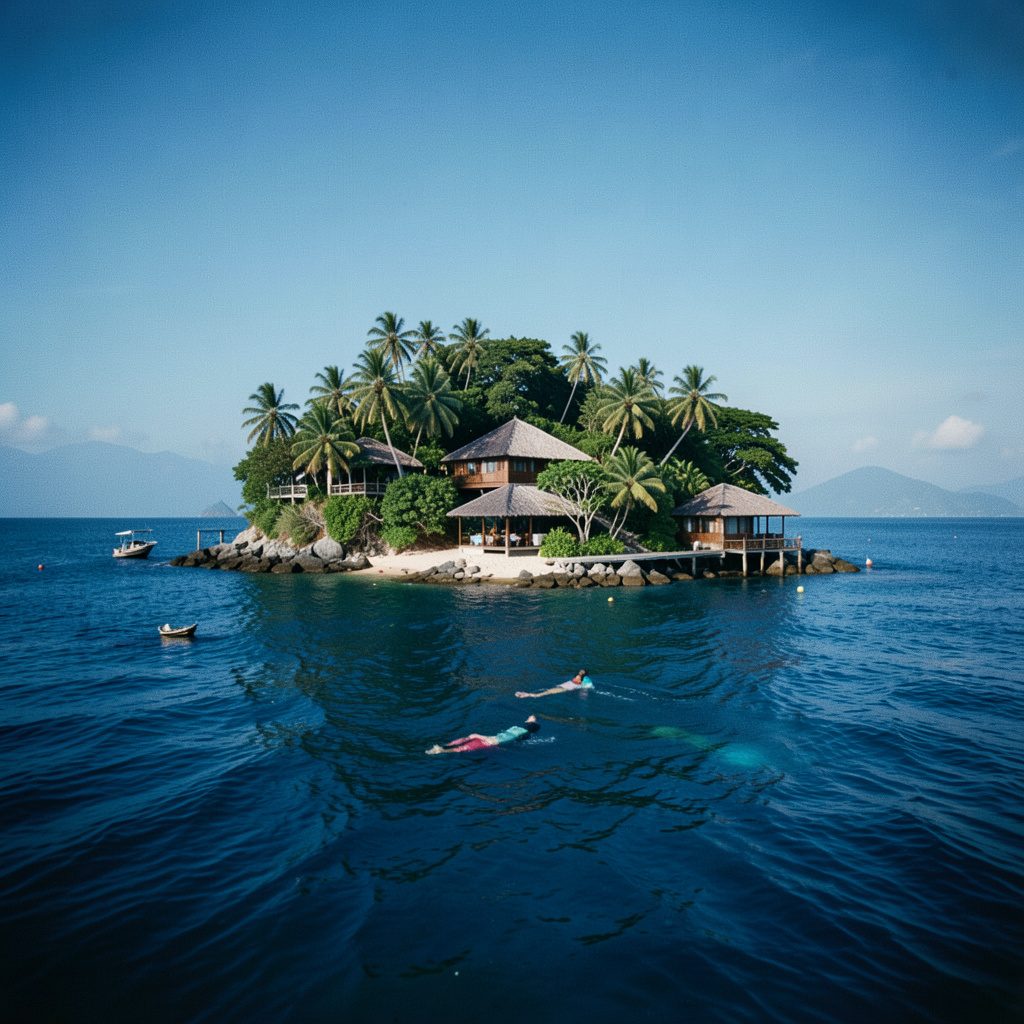
Snorkeling on Koh Tao requires no formal training. A mask, a snorkel and a pair of fins are enough to drift over shallow fringing reefs, seagrass beds and the famous Japanese Garden near Koh Nang Yuan. Most bungalow resorts lend gear or include it with a stay, and the only real skill is breathing through a tube while floating face-down. Children as young as six, provided they are comfortable in the water, can join parents on a guided boat trip.
Scuba diving, by contrast, involves a recognised certification. PADI, SSI and RAID operate open-water courses on the island, typically spread over three to four days. Australians who already hold a recreational certification can simply show their card and rent gear; everyone else must complete theory, confined water sessions and open water dives. The training is internationally portable, which matters for travellers who also plan to dive the Great Barrier Reef from Cairns on a future holiday.
Depth and marine life encounters
Snorkelers stay near the surface, usually above 5 metres. In Koh Tao's sheltered bays, that is more than enough to see sergeant major fish, parrotfish, butterflyfish, occasional blacktip reef sharks, and bright soft corals. Visibility regularly sits between 10 and 20 metres during the dry season, so the show happens within easy reach of a mask.
Divers descend deeper, often between 12 and 18 metres on recreational dives, with deeper profiles available for advanced training. This is where the resident population of whitetip reef sharks, larger groupers, tuna and the occasional turtle become reliable sightings. Koh Tao's famous sites such as Chumphon Pinnacle and Sail Rock sit beyond snorkeling depth, and seeing their submerged pinnacles is one of the strongest reasons to commit to a course. Night dives add a different cast entirely, including lobsters, cuttlefish and sleeping parrotfish.
Time, cost and travel logistics
Snorkeling keeps a holiday flexible. Half-day boat trips, including park fees and lunch, typically run from 700 to 1,200 Thai baht, or roughly 30 to 50 Australian dollars at current rates. Travellers flying in from Brisbane to Bangkok and then transferring by coach and ferry can be in the water the same day they arrive, and they can stop whenever they like.
An open-water course costs considerably more, usually 9,000 to 12,000 baht, or around 380 to 500 AUD, which covers instruction, manual, pool dives and four open water dives. A typical stay of five to seven days allows time for both training and a couple of fun dives. Booking flights early through trusted airline booking sites often shaves several hundred dollars off the Sydney to Surat Thani route, which is the most common gateway used by east coast travellers.
| Factor | Snorkeling | Scuba diving |
|---|---|---|
| Certification | None required | PADI/SSI Open Water needed |
| Typical depth | 0–5 metres | 12–18 metres (recreational) |
| Cost on Koh Tao | 700–1,200 THB per trip | 9,000–12,000 THB for a course |
| Time needed | Half a day | 3–4 full days |
| Marine life highlight | Reef fish, soft coral | Sharks, groupers, pinnacles |
| Minimum age | 6 (with adult) | 10–12 depending on agency |
| Fitness requirement | Basic swimming | Medical questionnaire, swim test |
| Best for Australians on | Short breaks from Brisbane or Melbourne | Longer trips from Perth or Sydney |
Physical demands and safety
Snorkeling is low impact and suits a wide range of ages, from grandparents on a Phuket-style family holiday to primary school kids splashing in Sairee Bay. The main risks are sunburn, dehydration and an occasional scrape against shallow coral, all of which are easy to manage with rashguards, water and reef-safe sunscreen.
Diving is more demanding. Students need to pass a basic medical questionnaire, and certain conditions, including asthma, heart issues and recent ear surgery, can restrict participation. The Australian Standards for recreational diving align closely with international norms, so local dive shops on Koh Tao apply similar screening. Seasickness, equalisation issues and fatigue are common in the first two days, but the safety record on the island is strong because most operators follow strict depth and surface interval rules.
Choosing the right experience for your trip
The honest answer is that snorkeling and diving serve different travellers rather than competing options. A family on a ten-day Thai holiday with kids in tow, or a couple squeezing in a long weekend between shifts in a Sydney office, will get genuine value from guided snorkel trips. Travellers with a longer stay, a flexible budget and a wish to convert a hobby into a lifelong ticket to reefs worldwide will get more from a full open-water course.
For most Aussie visitors, the smart move is to start with snorkeling on arrival day, judge how the conditions feel, and then decide whether a dive course fits the rest of the itinerary. Koh Tao makes both options easy, and the water stays warm year round, so there is rarely a wrong choice.