Snorkeling Spots You Can't Miss Around Koh Tao
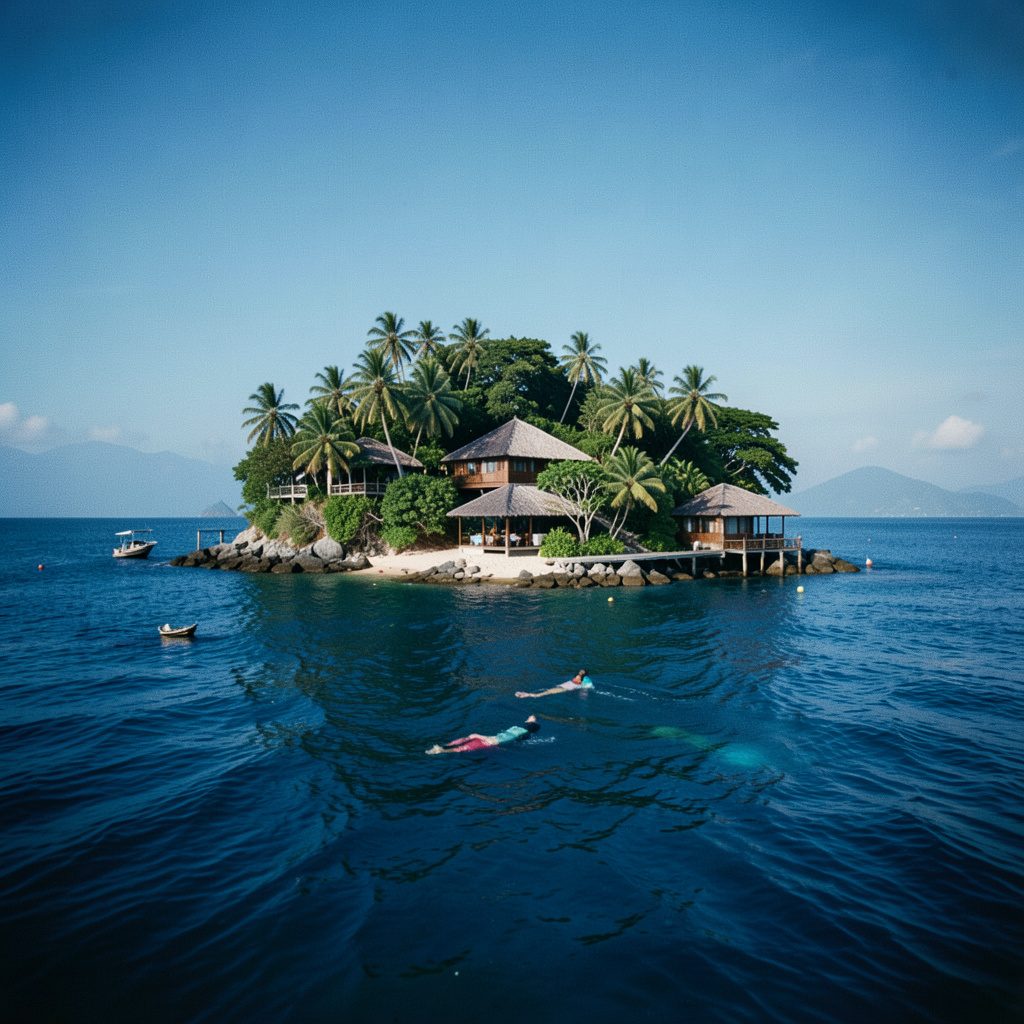
Koh Tao sits in the Gulf of Thailand and has built a strong reputation among underwater enthusiasts worldwide. While Australian divers know the Great Barrier Reef well, the warm shallow bays around this granite island offer a very different day on the water. Visibility is often excellent, fish life is abundant, and entry points are gentle enough for less confident swimmers.
Travellers from Sydney and Melbourne increasingly plan short breaks to Koh Tao, often connecting through Bangkok or Koh Samui. The journey rewards them with reefs metres from the shore, which makes spontaneous swims possible throughout the day. For anyone booking near Sairee or Mae Haad, most bays are reachable by scooter or longtail within minutes.
The waters around Koh Tao shelter hard and soft corals, resident reef fish, and seasonal visitors like whale sharks and turtles. This guide covers the most rewarding snorkel locations, with practical details to help Australian travellers plan their days in the water.
Why Koh Tao appeals to travellers
The island covers only about 21 square kilometres, yet its coastline contains dozens of distinct snorkel sites. Many bays face different directions, so travellers can usually find a sheltered spot regardless of wind. This matters during the November to February monsoon, when west-facing beaches get choppy while east-facing bays stay glassy.
Australian visitors often bring their own masks, but rental gear is widely available in Sairee and Mae Haad. Water sits between 27 and 30 degrees year-round, noticeably warmer than southern Queensland in winter. Most spots can be enjoyed independently, though guided boat trips open up sites that are hard to reach from land.
Local operators run half-day and full-day charters with several stops, lunch, and gear. These suit families with mixed experience. Independent swimmers can also spend an unhurried afternoon at a single bay and still see plenty.
Aow Leuk Bay
Aow Leuk lies on the south coast and is one of the most photographed bays on the island. The small beach is framed by granite boulders, with two resorts tucked into the surrounding hills. Entry is easy through a sandy channel on the left, where a shallow reef slopes gently into deeper water.
The bay hosts schools of sergeant major fish, parrotfish, and the occasional blacktip reef shark in deeper sections. Snorkelers often spot sea cucumbers and brittle stars on the sand, while banded sea snakes glide past the rocky edges. Visibility is best in the morning before winds arrive.
Reaching Aow Leuk from Sairee takes about 15 minutes by scooter, with a steep final kilometre. Travellers staying at hillside properties like Buddha View Dive Resort find the bay within easy reach for an early swim. Bring reef-safe sunscreen, as shade is limited after mid-morning.
Shark Bay
Despite the name, Shark Bay is known more for its turtles than for any resident sharks. The bay sits on the north coast and features rocky reef, sandy patches, and a small beach at the mouth. Water here is typically clear and calm, especially from April through September.
Blacktip reef sharks do appear in deeper sections, but they are shy and pose no threat to snorkelers. Green and hawksbill turtles feed on seagrass along the eastern edge, and patient swimmers find themselves floating metres from these reptiles. Coral coverage is patchy but supports wrasse, angelfish, and occasional lionfish.
Access from Mae Haad is by a 20-minute hike over a low headland, or by a short longtail from Sairee. Many snorkelers combine Shark Bay with nearby Chalok Baan Kao, which has a more developed beach and beachside cafes for lunch.
Hin Wong Bay
Hin Wong sits on the east coast and rewards snorkelers with diverse coral gardens. The bay divides into small coves by granite outcrops, with the easternmost cove having a shallow fringing reef at the shoreline. Depths rarely exceed four metres in protected sections, making this a top choice for less confident swimmers.
The coral community includes branching Acropora, brain coral, and soft coral fans that sway in the gentle current. Damselfish, butterflyfish, and clownfish in anemones are common, and larger pelagic species sometimes pass through the deeper channel. Macro photographers enjoy the variety of nudibranchs and shrimp in the rocky cracks.
Access is via a winding road ending at a small car park above the bay. Snorkelers descend a short path to the water's edge, where entry points scatter along several hundred metres of rocky coast. The eastern cove is calmest; the western section often has stronger currents.
| Spot | Best For | Access | Calmest Months |
|---|---|---|---|
| Aow Leuk | Beginners, families | Scooter + short walk | Nov–Feb |
| Shark Bay | Turtle encounters | Hike or longtail | Apr–Sep |
| Hin Wong | Coral gardens | Scooter + path | Mar–Jun |
| Mango Bay | Remote reef | Boat only | Jun–Sep |
| Sai Nuan | Quiet coves | Steep stairs | Nov–Feb |
| Japanese Gardens | Clear water | Boat charter | Mar–Sep |
Mango Bay
Mango Bay lies on the quieter northwest coast and feels noticeably more remote than busier beaches near Sairee. The bay is sheltered by high granite cliffs and is accessible only by boat or a steep walking track from the main road. The effort pays off with excellent visibility and minimal boat disturbance.
The reef starts in very shallow water and drops gradually to about eight metres. Snorkelers drift over staghorn coral formations and encounter large schools of fusilier fish, plus occasional visits from tuna and mackerel. The bay is also a known cleaning station for manta rays during the southwest monsoon between June and September.
Boat trips from Mae Haad typically include Mango Bay as one of three or four stops on a half-day charter. Independent travellers sometimes hire a longtail directly from the beach, though prices vary with demand. There are no facilities at the bay, so bring water and snacks.
Sai Nuan Beach
Sai Nuan is a small double beach tucked between Laem Thian and Chalok Baan Kao on the south coast. Two coves are separated by a rocky outcrop and each offers a slightly different experience. Access is by a steep concrete staircase from the road, with limited parking at the top.
The eastern cove has the best coral cover, with table corals and sea fans clustered along the deeper rocky slope. Snorkelers often see pufferfish, boxfish, and moray eels in the crevices, along with chromis hovering above the reef. The western cove has a sandy bottom with scattered bommies that attract trevally and occasional stingrays.
The site is less crowded than Aow Leuk but more challenging to access, which keeps visitor numbers low. Most snorkelers spend an hour here before walking back to the main road and continuing to Chalok Baan Kao for lunch. Shade is minimal, so plan an early or late visit during hotter months.
Japanese Gardens and Twin Peaks
Japanese Gardens is a submerged rock formation between Koh Tao and tiny Koh Nang Yuan. The site is best reached by boat and offers some of the clearest water around the island. Granite boulders create channels that shelter a dense population of reef creatures.
Divers and snorkelers share the site, with the snorkel route following the perimeter of the formation in shallow water. Hard corals dominate the shallows, while soft corals and sea whips thrive on the deeper walls. Schools of barracuda and jacks cruise the channels between boulders, and turtles are regularly spotted feeding on the reef.
Twin Peaks sits nearby and is a similar granite formation with vertical walls and dense coral. Snorkelers drift between the peaks through a shallow saddle, often the most fish-filled stretch in the area. Both sites are typically included on morning boat trips from Mae Haad, and calmest conditions occur between March and September.