
Koh Tao Yoga and Wellness Retreats for a Restorative Escape
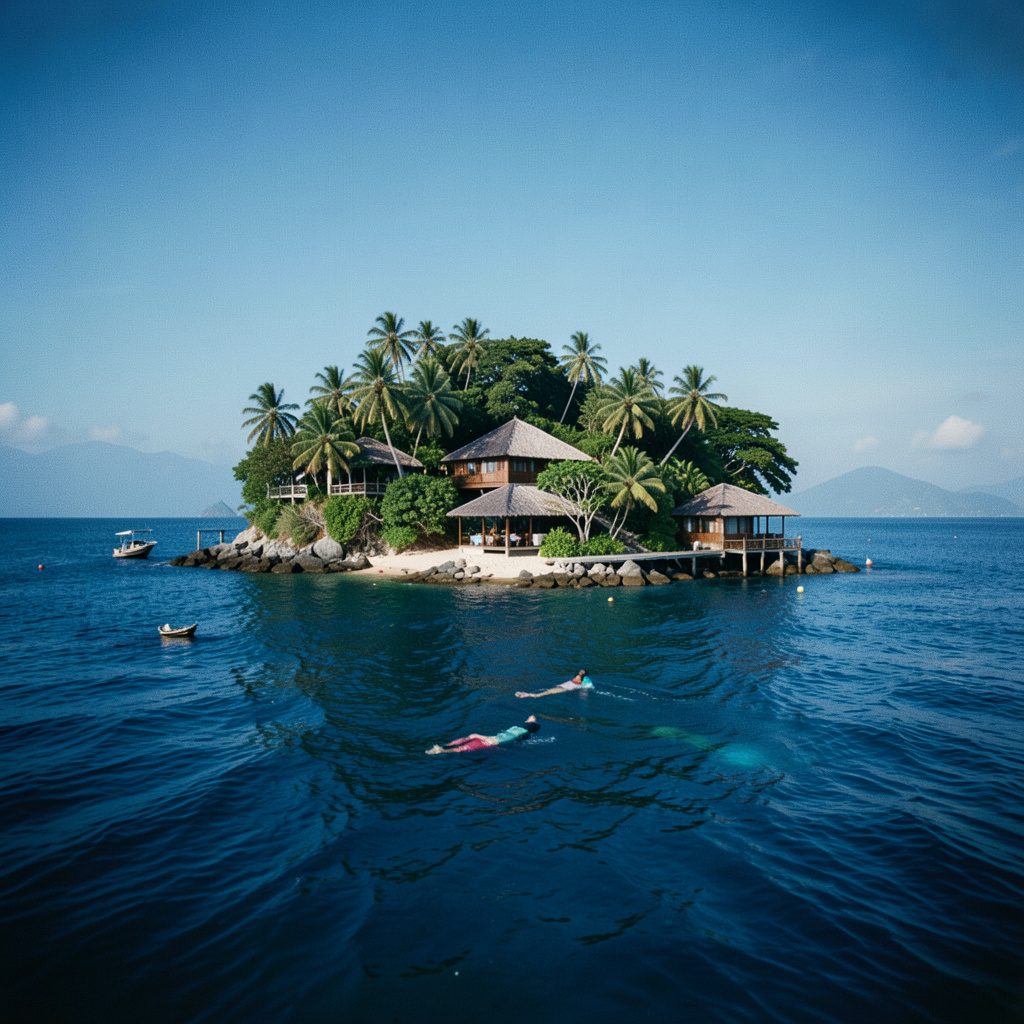
Koh Tao yoga and wellness retreats fit neatly into the island’s unhurried rhythm. Set between forested hills and quiet bays, guests can alternate shaded practice, sea air and restorative meals with diving or snorkelling rather than chase a packed itinerary.
Most Australian visitors reach the island through Phuket, with direct or one-stop flight options from Sydney and Brisbane and onward links from Melbourne. The final transfer combines a road journey and ferry, so an overnight near Phuket can make the first day less rushed.
Retreat styles range from simple beachside shalas and drop-in classes to residential programs with meditation, massage, plant-forward meals and private villas. The right choice depends on whether you want a gentle reset, a structured week or a holiday that still feels unhurried.
Timing matters: November to May generally offers calmer conditions for boat trips, while the hotter, wetter season can be excellent for indoor practice. Check ferry schedules, transfer arrangements and package inclusions before paying, especially during Thai holidays and Australian school holidays.
Why Koh Tao suits a restorative stay
Koh Tao developed around diving, and many travellers come for the water. Wellness adds another rhythm: sunrise classes, long lunches, gentle treatments and evenings without a fixed agenda. It suits guests who want structure without turning every free hour into another scheduled activity.
The island is compact, yet its best retreats can feel wonderfully removed from marina energy. Morning yoga on a timber deck, a cool room after a humid walk and dinner under palms provide a simple kind of luxury.
What a restorative retreat day looks like
A typical retreat day might begin with breathwork or yoga before breakfast, followed by meditation, a spa treatment or a nutrition workshop. Some schedules include an afternoon sound bath, while others reserve that time for a swim, a massage or an unhurried café visit. The structure is refreshingly flexible once you know which sessions operate each day.
Travellers who want more energy can substitute a snorkelling trip or introductory scuba course for part of the program. Experienced divers can combine daily yoga with early boat departures, but it is wiser to leave recovery time around dives and avoid booking demanding sessions immediately before an ocean crossing.
Match the setting to your preferred pace
Location can shape the retreat as much as the schedule. Compare what the budget buys: a shared shala or private deck, group classes or one-to-one instruction, and room-only lodging or meals and treatments included.
| Retreat format | Best suited to | Typical elements | Indicative AUD guide |
|---|---|---|---|
| Beachside bungalow and drop-in classes | Short stays and independent travellers | Simple room, one or two daily classes, occasional treatment | AUD 45–120 per night |
| Hillside wellness resort | Privacy, regular practice and nature | Daily yoga, meditation, bodywork and meals | AUD 100–300 per night |
| Residential retreat | A focused multi-day reset | Three to seven nights, meals, classes and workshops | AUD 600–1,800 per stay |
| Dive-and-yoga package | Travellers wanting both water and movement | Dive course or dive days plus limited yoga sessions | AUD 250–700 for a short package |
| Private hillside villa | Couples, families or private groups | Private accommodation, pool and flexible sessions | AUD 300–900 per night |
These are broad planning bands rather than quotations. A “retreat” may mean only a morning class or a full residential program, so check whether meals, transfers, treatments, equipment and mat rental are included. Class size matters too: a twelve-person group feels different from a private session.
Beaches and neighbourhoods for slower living
Mae Haad suits first-time visitors who want restaurants, dive shops and an easy walk to the shore. Chalok, Thongs and Kope feel calmer, while Sai Daeng and the upper roads suit hillside villas, sunrise views and seclusion. The island is small, but distances look shorter on a map; steep roads and limited evening transport matter when choosing a remote bungalow.
A beachfront room is not automatically the quietest. Check recent reviews for bars, music, insects, air-conditioning and the number of stairs. Some resorts provide shuttle service because public footpaths end well before a hillside villa, and swimming conditions can change with tides and currents.
Combine sea time with mindful movement
For snorkellers, sheltered bays around Hin Kong, Nangyuan and Mermaid Cove offer clear water, coral gardens and shallow entries. Guides can improve wildlife sightings and explain safe distances from marine life. A no-touch, no-collect approach protects the reef and keeps the experience enjoyable for everyone.
Scuba diving is the island’s signature draw. A beginner open-water course introduces equipment, buoyancy and basic skills, while certified divers can explore offshore sites. Choose a PADI or similarly recognised school, disclose medical conditions and follow the dive brief; local operators know the rocks, currents and seasonal visibility better than any online summary.
Food, massage and restorative rituals
Thai kitchens bring strong flavours, abundant herbs, fresh coconut and plenty of fruit. Vegetarian food is widely available, and vegan choices are easier to find around Mae Haad than on quieter beaches, so ask before booking a residential menu. Pescatarians can order fish and prawn dishes, while travellers sensitive to chilli or sugar can request milder preparation.
Massage and bodywork are often the easiest way to add deep rest to a day. Menu prices may be shown in baht, with many sessions costing roughly AUD 15–70 depending on duration and treatment. Thai tipping practice differs from Australia: service is not normally tipped, so check whether a service charge has already been added.
Plan an easy journey from Australia
Keep at least a night between a long-haul flight and an ocean crossing if possible, and build in a buffer for the Phuket road transfer. Ferry timetables, road traffic and weather can shift, while the island’s steep lanes make arriving after dark unnecessarily stressful.
Compare prices in Australian dollars but carry some Thai baht for markets, small cafés and taxis, where cards may not work. Australian plugs are Type I, while Thai sockets supply 220–240V, so a Type I adaptor is useful. Bring SPF 50+ sunscreen familiar from Australian supermarkets, a rash vest, insect repellent and a refillable water bottle.
Book accommodation before committing to international flights, particularly for November to February, Christmas and New Year. KohTaoIsland.net lists bungalow resorts, guesthouses, hillside villas and dive courses, so the stay and any planned water activities can be considered together. Confirm cancellation terms, meal coverage, class times, transfers and the distance to the nearest beach. A well-chosen base turns Koh Tao’s dive-and-island character into a genuinely restorative experience, whether the stay lasts one weekend or a full week.