Koh Tao's hidden gems: secluded bays and quiet beaches
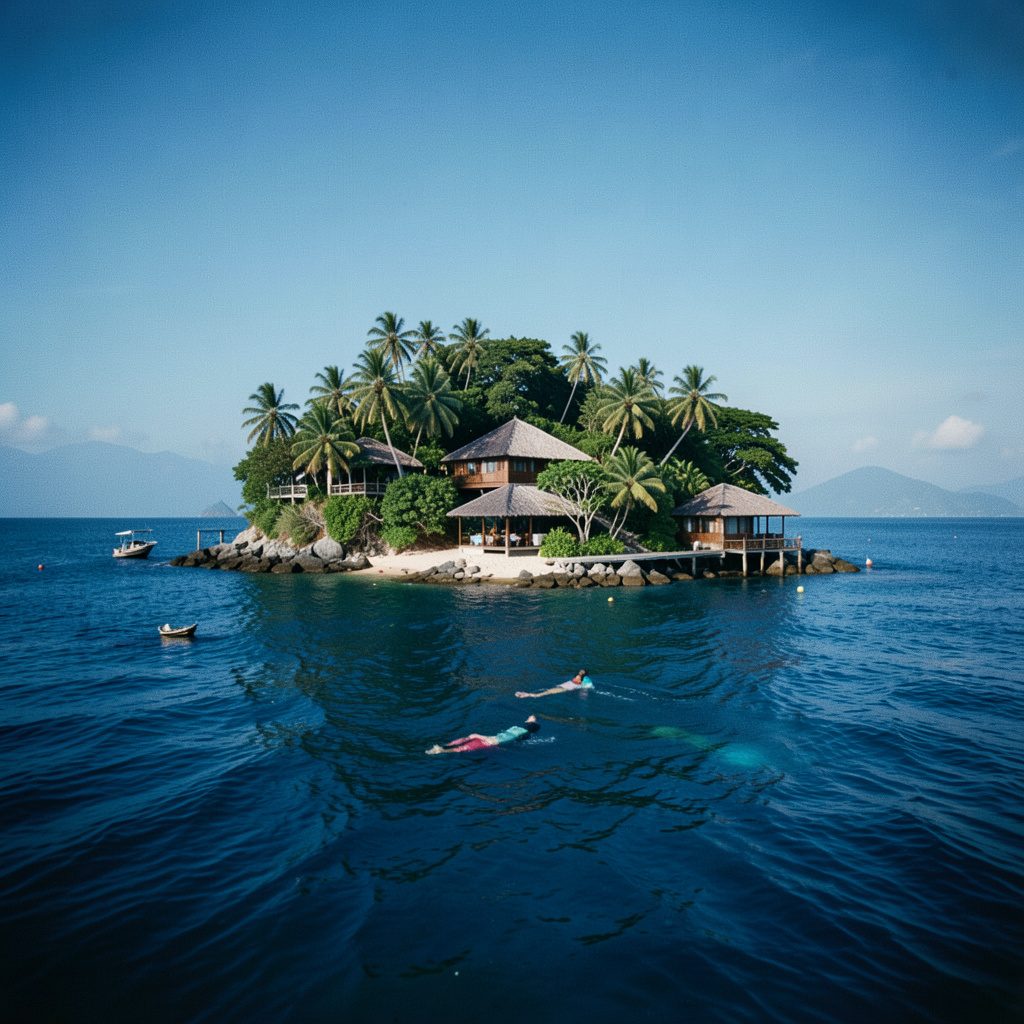
Koh Tao translates as "Turtle Island," a small granite speck in the Gulf of Thailand that draws divers, snorkelers, and beach lovers from every corner of the planet. Beyond the busy bays around Sairee and Mae Haad, the island folds inward to reveal a string of lesser-known inlets where the only footprints in the morning sand tend to be your own. Travellers who take the time to wander past the main piers often find themselves sharing a crescent of sand with reef herons rather than crowds of day-trippers.
Australians flock to Koh Tao for reasons that go well beyond a tropical getaway. During the southern winter, when Melbourne and Sydney sit under grey skies, a cheap connecting flight from Brisbane or Perth lands you in warm water within a day. The cost of earning an Open Water certification here can be a fraction of the price charged by dive schools in Cairns or along the Great Barrier Reef, while the PADI card you walk away with is honoured at any Australian dive operator once you're home.
This guide focuses on the island's quieter side: the sheltered coves along the northern and eastern shores, the tucked-away beaches reached by short jungle paths, and the practical details that help visitors from down under plan a smooth trip. You'll find honest comparisons, swimming conditions, and a few tips on getting the best out of a short holiday without missing the spots that make Koh Tao feel like a secret.
Reaching the lesser-known shorelines
Most of Koh Tao's secluded bays sit away from the surfaced ring road, which means a scooter rental is the most flexible way to explore. Roads on the island are steep, narrow, and occasionally slick after rain, so anyone who learnt to ride in the suburbs of Brisbane or the hills behind Adelaide should treat the first hour as a refresher rather than a joyride. Fuel stations are sparse, so fill up in Sairee or Mae Haad before heading out, and always park where a flat patch lets you walk the last stretch down to the sand.
A few of the best coves are reached on foot from the nearest road. The path from Chalok Ban Kao to Freedom Beach, for instance, descends through casuarina trees before opening onto a small bay with calm water and a reef shelf close to shore. Others, like the bends near Tanote Bay, are accessible by a short walk that rewards swimmers with crystalline water and a fraction of the visitors seen at the main beaches.
Sheltered coves for snorkelling and diving
The waters off the island's eastern flank are where snorkellers and divers find the richest rewards away from boat traffic. Aow Leuk, Shark Bay, and Hin Wong Bay all face away from the prevailing winds, which keeps visibility high and the surface calm enough for beginners who learnt the basics in a pool back in Perth before flying out. Patch reefs of staghorn coral slope gently from the sand, and the resident schools of fusiliers and butterflyfish make every swim feel like a private aquarium.
For divers, these quiet bays offer an underwater experience that contrasts with the busier sites near Chumphon Pinnacle. Visibility often reaches the 15–20 metre range during the dry months, and the lack of current makes them ideal for photographers and those working on advanced certifications. Many Australian dive schools run refresher courses here for travellers who last logged a dive off the Gold Coast or the Whitsundays.
Quiet stretches of sand for swimming and reading
If the goal is to stretch out on a towel with a paperback and a cold drink, the southern side of the island holds the answer. Sai Nuan, a series of small coves split by rocks, has long been favoured by backpackers who want to escape the beach-bar scene. Mango Bay, further along, sees only a handful of longtail boats each day and remains a favourite of travellers who book bungalow resorts through sites like KohTaoIsland.net and prefer a slow morning over a packed itinerary.
Shade can be limited on these smaller beaches, so pack a light cover-up, reef-safe sunscreen (a must under Thai national park rules), and enough water to last the hike back up. Food vendors are rare away from the main bays, so most visitors bring a packed lunch from their bungalow or guesthouse in the morning.
How the hidden coves compare
Not every quiet beach suits every traveller. Some are better reached by road, others only on foot, and a few depend on tide and weather. The summary below lines up the key details for the coves covered in this guide, so you can pick the spot that matches your plans.
| Bay or cove | Vibe | Swimming | Snorkelling | Access | Best for |
|---|---|---|---|---|---|
| Aow Leuk | Calm, sheltered | Excellent | Excellent | Road and short walk | Beginners, families |
| Sai Nuan | Quiet, rustic | Good | Good | Steep footpath | Reading, escaping crowds |
| Mango Bay | Secluded, scenic | Good | Moderate | Longtail boat or hike | Couples, photographers |
| Tanote Bay | Rocky edges, deep | Good | Very good | Road and steps | Divers, confident swimmers |
| Freedom Beach | Off-grid feel | Excellent | Variable | Footpath from Chalok | Backpackers, solitude seekers |
Practical pointers for travellers from Australia
The Australian dollar stretches well in Thailand, particularly outside the peak European summer. A bungalow that costs the equivalent of a night at a mid-range motel in Sydney can put you steps from a quiet cove, and a Thai curry from a beach shack costs less than a coffee in Melbourne's CBD. Still, it pays to carry small notes, since remote vendors rarely have change for a 1000-baht bill.
Divers should remember that the PADI certification earned on Koh Tao is recognised at home, so the savings on course fees pay off on future dives both here and abroad. Travellers heading out during Australian school holidays should book bungalows and dive courses well in advance, as Koh Tao fills up with families and groups. For those who want to plan the quieter side of the island without juggling tabs and emails, KohTaoIsland.net offers bundled bookings that pair accommodation with guided trips to the coves listed above, simplifying the search for a peaceful corner of the Gulf of Thailand.