
Kayaking and paddleboarding on Koh Tao
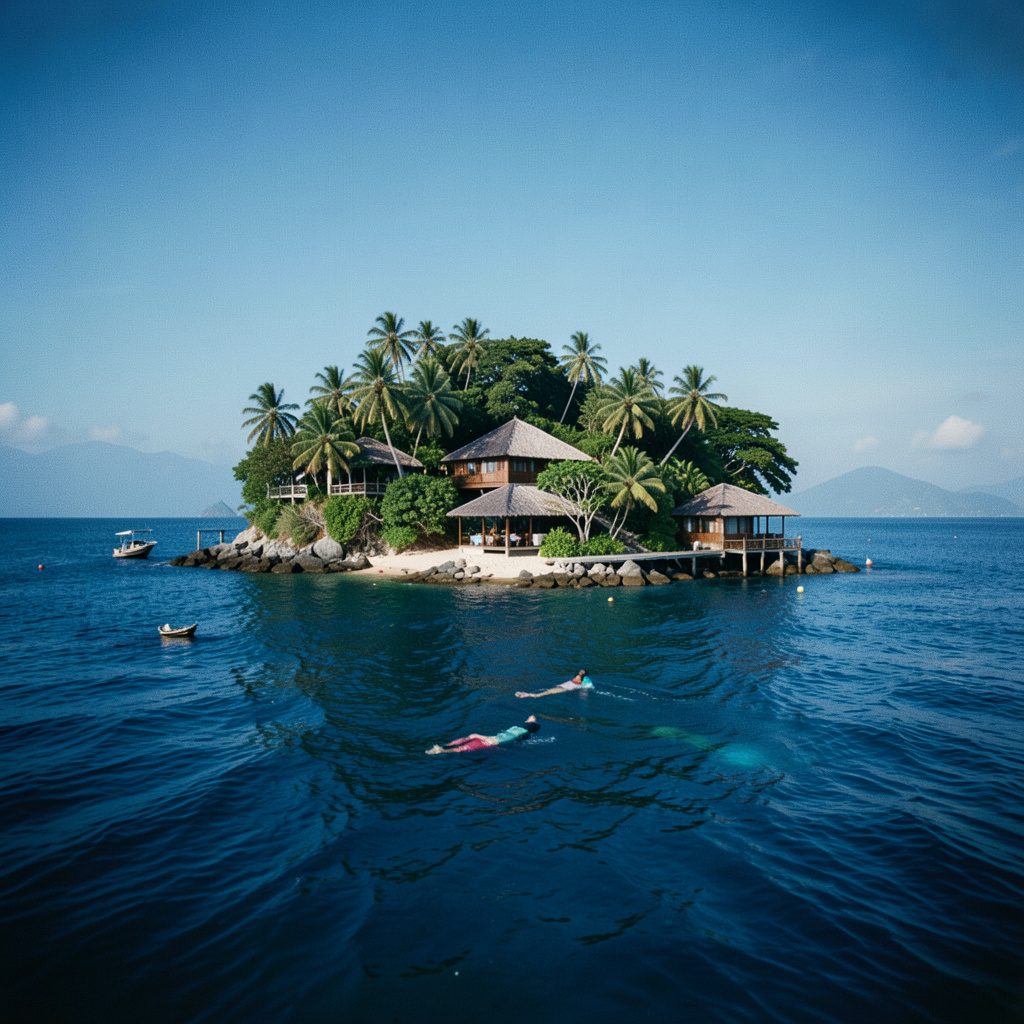
Koh Tao’s compact north–south shape makes paddling appealing: beaches are close, water is usually clear, and limestone viewpoints sit just offshore. Kayaks offer a relaxed way to explore bays, while stand-up paddleboards suit calmer water, fitness-focused outings and travellers who prefer a higher view of the reef.
For visitors arriving from Sydney, Melbourne or Brisbane, island time often begins with a Bangkok connection, so build in a buffer for delays and a short domestic transfer. Pack reef-safe sun protection and a light rash layer; the equatorial sun and humidity can make a two-hour session feel much longer than its clock time suggests.
Choosing between kayak and paddleboard
A sit-on-top kayak has a low centre of gravity and handles small chop better than a paddleboard. It is a practical choice for beginners, couples wanting separate boats and longer coastal routes. Double kayaks can carry two adults if each has a properly fitted personal flotation device; solo paddlers can usually cover more ground in a single craft.
A paddleboard is more engaging in glassy conditions and gives better visibility over shallow coral. It rewards balance, so first-timers should practise away from rocks and boat lanes. Many Australian paddlers are accustomed to strict sun and flotation rules; keeping the vest on in calm water is sensible and should not be treated as optional.
Renting equipment and getting organised
Most equipment is handed over on or near Mae Haad Beach, the island’s main hub, with availability varying by season and operator. Ask for the boat type, seat position, paddle length, buoyancy aid and shade arrangement before choosing. A quick body check matters more than brand: the flotation aid should sit firmly, and the paddle should reach without forcing the shoulders.
Reserve through a dive centre, resort or local operator, particularly from November to March. Guests staying at Simple Life Resort can ask its team to confirm current beach launches and nearby operators. Australian travellers often compare AUD-inclusive package prices, so check whether a quoted rate includes the board or kayak, flotation equipment, a guide, drinks and insurance rather than comparing the headline rate alone.
Routes from Mae Haad
The easiest outing starts at Mae Haad and heads toward Ko Nangyuan, roughly 1.5–2.5 km across depending on the launch point. The island has beaches, a snack kiosk and clear water for a snorkel stop. Cross only when local staff confirms the channel is calm: tidal flow and passing dive boats can turn a short crossing into a demanding paddle.
For more variety, follow the northern headland into Shark Bay, where coral shelves create a different colour palette. Allow about 2–4 km for the return and stay inside the marked lagoon area. Beginners usually get more from a guided circuit, while confident kayakers can pause at quiet sandbars for swimming. Do not cut across coral merely because the water looks shallow.
Longer island routes
Thong Nian Bay rewards a longer half-day route with pale sand and a reef wall, but most visitors combine the paddle with a boat transfer to save energy on the exposed point. Another scenic option is a guided trip south toward Buak Ha, approximately 7–9 km return from Mae Haad. That route is better for fit paddlers and calm-weather departures, not a spontaneous beginner session.
East-coast launch points around Kasons, or southern beaches near Ao Pra, can provide a gentler alternative to the main Mae Haad departures. Conditions vary sharply between bays, so ask whether the outing is open water or lagoon paddling and where the return point sits. Finish near a beach restaurant rather than adding an unplanned walk through the midday heat, and keep a little energy for the climb back to your lodging.
Weather, currents and safety
From roughly May to October, the southwest monsoon can make exposed water rougher, although Mae Haad’s western position is often calmer than the island’s east coast. November to March usually brings the busiest dive season and calmer-looking daytime conditions, but wind and swell still decide whether a route runs. Check the same-day forecast, tidal timing and operator cancellation policy, and expect plans to shift when squalls approach.
Wear the flotation device, use the leash supplied for a board and keep a firm grip on loose paddle accessories. Give coral, swimmers and anchored boats wide clearance, and never assume a kayak is visible from a speedboat. Hydrate, cover exposed skin and use SPF 50+ rather than relying on a quick application. Small Thai beach stalls may be cash-only, so keep some baht for refreshments, while operators commonly accept cards or online booking deposits.
Comparing island paddling options
Compare the complete outing rather than the craft alone; distances change with the launch point, tide and sea conditions.
| Option | Best suited to | Typical distance | Key condition |
|---|---|---|---|
| Kayak | Relaxed coastal exploring | 1.5–4 km | Manageable wind and chop |
| Paddleboard | Calm bays and active travellers | 1–3 km | Balance and light wind |
| Guided kayak trip | Beginners and mixed-age groups | 2–4 km | Weather-dependent route |
| Kayak snorkel excursion | Swimmers wanting reef access | 2–4 km | Calm currents and swimming ability |
Tourists wanting a small introduction should choose a guided one- or two-hour session launched from a sheltered part of Mae Haad. It allows time to learn steering, boarding and basic rescue signals before attempting Ko Nangyuan or Shark Bay. Those who can paddle steadily, carry their own water and accept a longer exposed route may prefer the Buak Ha coastline or a guided east-coast circuit.
Book around the tide rather than fixing the day around a flight, and leave time for a tropical downpour or a changed sea state. A kayak trip is generally the most flexible choice for a mixed group, while a paddleboard outing delivers the better fit for calm water and active travellers.