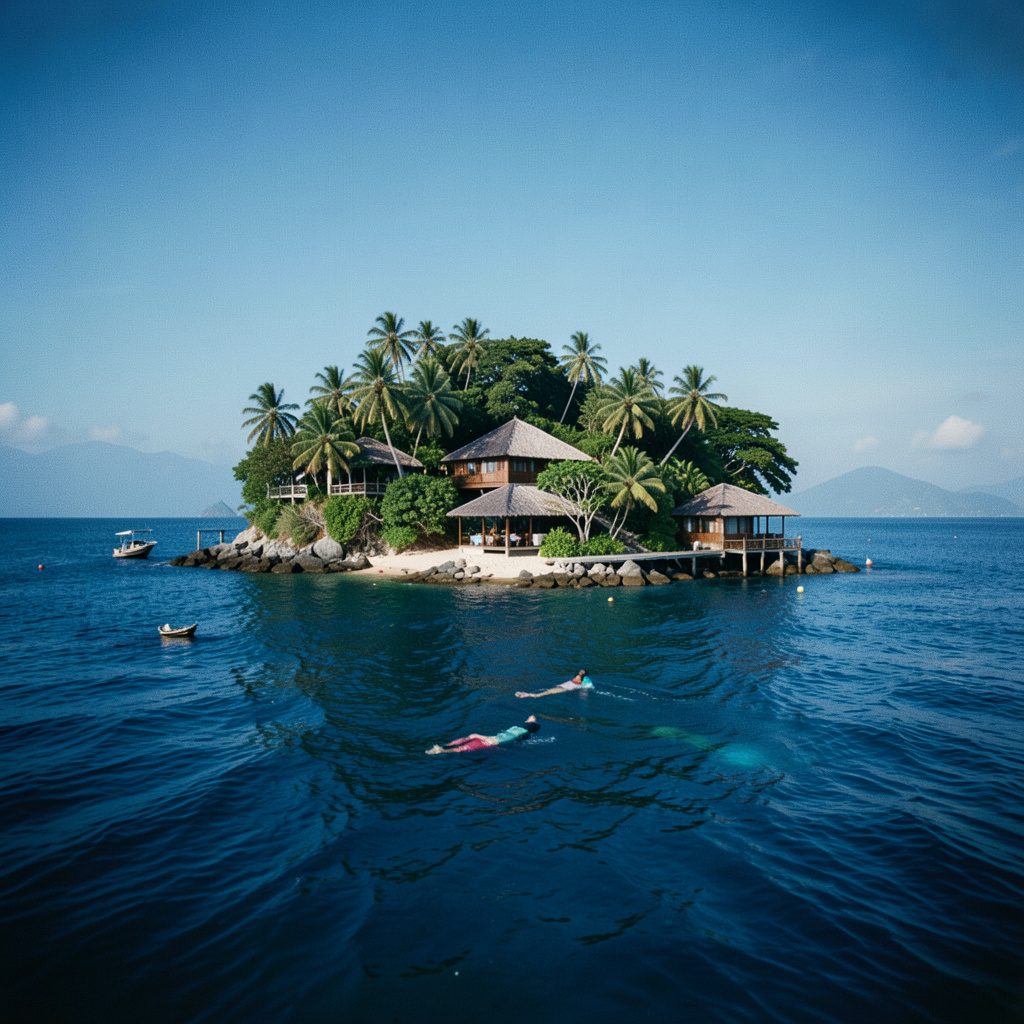
Sunburn and Heat Safety for Koh Tao Travellers
Learning how to avoid sunburn and heat exhaustion in Koh Tao matters because the island’s tropical sun can feel intense even when the sea breeze makes the weather seem pleasant. Many visitors arrive from Sydney, Melbourne or Brisbane ready for beach days, yet the combination of high UV, humidity and hours spent in open water creates risks that are easy to underestimate.
Good preparation begins before the flight. The right clothing, sunscreen and activity schedule will not eliminate tropical heat, but they give your body a much better chance of staying comfortable, alert and out of trouble.
Why Koh Tao’s Sun Feels So Strong
At Koh Tao’s latitude, UV levels remain high through much of the year, and the strongest sun usually falls between late morning and mid-afternoon. The breeze can make a hot afternoon feel pleasant while the UV index continues to climb. Cloud cover may soften glare, but it does not reliably protect skin from UV exposure.
White sand, pale rocks and water can also reflect sunlight toward exposed skin. Damp skin, sweating and a wet shirt may initially cool you, yet they can make sunscreen wear off sooner. Shade should therefore be treated as one layer of protection, not a substitute for clothing and sunscreen.
Build a Reliable Protection Kit
Australian travellers can build a familiar protection kit at home. Broad-spectrum, water-resistant SPF 50+ sunscreen is sold widely across Australian supermarket and pharmacy shelves, making it easier to buy before departure than to interpret unfamiliar labels overseas. Australia’s Therapeutic Goods Administration regulates sunscreen as a therapeutic good and requires products sold locally to meet Australian standards and labelling rules.
Follow the familiar Australian habit of putting on a hat, covering shoulders and using plenty of sunscreen rather than saving it for a painful burn. Apply sunscreen about 20 minutes before exposure, reapply every two hours, and do it again after swimming or heavy sweating. Water-resistant does not mean waterproof, and no sunscreen blocks every UV ray.
Shift Activities Away From Peak Heat
Book the most demanding outings for early morning or late afternoon. On Koh Tao, an early snorkel or dive often provides clearer water, better visibility and a lower heat load than a midday trip. Brisbane is the closest major Australian gateway, with most travellers continuing by road and boat, so a tiring transfer day deserves a light schedule on arrival.
During peak hours, shift to shaded pools, restaurants, a museum or an air-conditioned room rather than walking around exposed beaches. Wear loose, light-coloured clothing and carry water. A breeze helps sweat evaporate, but humid days can slow that process, making regular breaks more useful than pushing through another activity.
Drink Before You Feel Thirst
Drink steadily rather than waiting for thirst, particularly after diving, snorkelling or a long walk. A normally active adult undertaking island activities may need more fluid than they would at home, while hot weather increases losses through sweat and breathing. Keep a bottle with you and take frequent sips instead of gulping a large amount only once.
Electrolyte drinks can be useful after prolonged exertion, but water is usually sufficient for a normal day. Alcohol adds to fluid loss and makes overheating more likely, so keep it to a small part of the evening. Coconut water is not a complete replacement for water or a heat-treatment drink, and sugary energy drinks should not be treated as rehydration.
Recognise Heat Exhaustion Early
Heat exhaustion often begins with heavy sweating, weakness, headache, nausea, dizziness, unusual tiredness and cool, pale or clammy skin. Stop activity immediately if several of these signs appear, especially if you also feel unsteady. Confusion, fainting, seizures, a very high temperature or hot skin with altered behaviour can indicate heatstroke, which is a medical emergency.
Move the person into shade, remove excess clothing and cool them with cool water, a wet cloth or a fan. If they are fully alert and not vomiting, give small frequent sips of cool water; do not give drinks to someone who is confused or unconscious. If symptoms worsen or do not ease, call Thailand’s medical emergency number 1669 or arrange urgent transfer through the accommodation. Paracetamol and ibuprofen do not treat heat exhaustion.
Stay Protected In Water And Boats
Water offers partial protection, not complete cover. UVA can penetrate shallow water, and a long snorkel, freedive or dive may expose your face, neck and shoulders for hours. A close-fitting rash vest or long-sleeved dive skin helps with both UV exposure and abrasion, while reef-conscious footwear protects feet on hot sand and sharp coral.
Before a boat trip, apply sunscreen to exposed areas and reapply after the return ride, since spray and wind can wear it away. A boat canopy may block direct sun without stopping all reflected UV. Apply reef-conscious products before entering the sea, follow local marine notices, and remember that the label “reef-safe” is not an absolute guarantee.
Choose a Cool Base And Recover Well
Choose accommodation with reliable air-conditioning or effective ventilation, and ask whether the room receives afternoon shade. Travellers can compare rooms, bungalows and dive packages through Koh Tao reservations before booking, then confirm details such as fan or air-conditioning availability and proximity to the main beach rather than relying on photographs alone.
A cool base supports overnight recovery and makes a planned rest period practical. Keep the room stocked with water, avoid strenuous activity after a heat-affected day, and eat regular meals rather than skipping food because of the heat. If symptoms suggest heat illness, seek local medical help promptly; recovery should take priority over completing a dive itinerary.