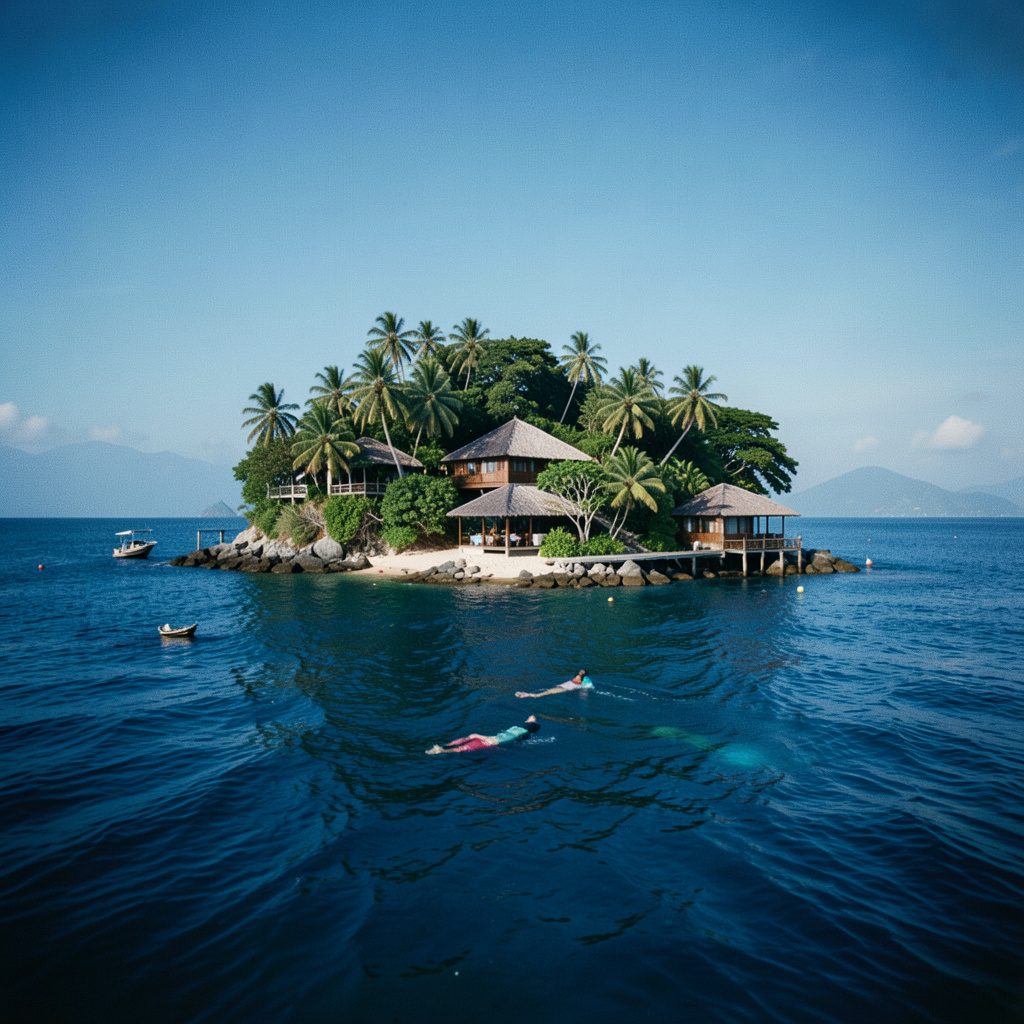


How to avoid seasickness on the ferry to Koh Tao
Most visitors reach Koh Tao by ferry from Surat Thani, Ko Samui or Chumphon, often after starting in Sydney, Melbourne or Brisbane. Advice on how to avoid seasickness on the ferry to Koh Tao works best when it covers preparation, food, seating and early symptoms. A rough sea can spoil the crossing even when the destination is appealing.
Seasickness usually starts when your eyes report a stable view while your inner ear senses the vessel moving. This sensory mismatch can bring cold sweat, dizziness, nausea and vomiting. Reading or looking down often worsens it, and it can be managed better when treated early than after severe vomiting begins.
Ferries in the Gulf of Thailand vary in size, speed and exposure, so no single seat or remedy suits every sailing. A useful plan combines suitable medicine, a light meal, steady hydration and a calm position on board. Checking local conditions before departure completes that preparation.
Why the crossing can trigger seasickness
Your balance system detects the ferry’s rolling, pitching and turning, even when your eyes are focused on something that appears stable. This conflict commonly produces nausea and dizziness. Looking at the horizon can help, whereas reading, scrolling or watching the cabin ceiling may intensify the sensation.
The main risks include an empty stomach, previous motion sickness, prolonged exposure to a lively deck, alcohol and dehydration. Reactions vary, so a calm crossing for one passenger can still be difficult for another. Journeys from Surat Thani are longer than many Samui sailings, while Chumphon routes have their own wind and swell patterns.
Choose the route, vessel and sailing
Compare current timetables rather than relying on old travel posts. Common routes run from Surat Thani, Ko Samui and Chumphon, with crossings ranging from a few hours to roughly five to seven hours depending on the vessel and schedule. Fast boats may feel smoother, but weather and sea state can matter more than speed alone.
Most Australian travellers leave from Sydney, Melbourne or Brisbane, connect through Bangkok, and often continue to Surat Thani before taking a ferry. Building in a rest between the flight and boat gives you time to buy water, food and sun protection. It also avoids a same-day connection with little margin for delay.
Choose a reputable operator and check the cancellation policy before booking. If the forecast is poor, a later departure or an overnight stay near the pier may suit you better than a tight onward connection. Entry planning is separate: Australian passport holders should check Smartraveller for Thailand’s current rules and every border on the itinerary. If the same holiday includes Egypt, a Cairo e-visa guide shows why each country’s requirements need a separate check.
Medication, food and hydration
Ask an Australian pharmacist in Sydney, Melbourne, Brisbane or your home city about preventive options. The Therapeutic Goods Administration regulates legal supply and labelling, so choose an approved product, follow its dose and retain the original packaging. A pharmacist can advise whether a formulation requires a prescription and whether it causes drowsiness.
Use preventive medicine at the time stated on its label, often before departure, rather than waiting for nausea. Avoid alcohol and other sedatives with drowsy formulations, and do not drive when the label warns against it. Patches may require a prescription and are best discussed before travel day.
Have a small, familiar meal before sailing rather than a large or greasy one, and sip water throughout the crossing. Coles and Woolworths commonly stock plain ginger and electrolyte products, making them easy to add to an Australian grocery shop before heading to the airport. Ginger may help some stomachs, although evidence for preventing seasickness is mixed.
| Method | When it may help | Important considerations |
|---|---|---|
| Preventive oral medicine | A practical option for many frequent travellers | Ask a pharmacist and follow the label timing and dose |
| Ginger | Possible mild relief from nausea | Evidence is mixed; food and capsules differ in strength |
| Hyoscine patch | Longer-lasting protection on a long trip | Access may require a prescription; drowsiness and dry mouth are possible |
| Acupressure bands | Additional comfort for some passengers | Evidence is limited and they cannot replace other precautions |
Choose a calmer place on the ferry
Midships is generally the steadiest part of a vessel because movement is usually gentler than at the bow or stern. Ask the crew for their recommendation, especially on a smaller boat with an open deck. A forward-facing seat and a stable rail can help, but avoid busy boarding and disembarking areas.
Get fresh air when possible while staying away from diesel fumes and exhaust. Keep your eyes on the horizon or a fixed point on land instead of reading, scrolling or watching a pitching ceiling. A phone can be checked briefly, but continuous screen use may worsen the sensory mismatch behind seasickness.
Act quickly when symptoms start
At the first queasiness, cold sweat or pale feeling, stop reading and move into fresh air. Fix your gaze on the horizon, breathe slowly and take small sips of water. Lying flat in a cabin berth may ease the sensation, although it will not stop the boat moving.
If tolerated, have a small, bland snack, but do not force food or large amounts of fluid. Stay with the crew if vomiting begins or you cannot keep fluids down; they can arrange medical help when necessary. Keep the operator’s emergency number and booking details accessible.
After landing, symptoms often ease on solid ground, though dizziness may remain. Rest and rehydrate gradually, and avoid alcohol that day. Severe headache, confusion, chest pain or persistent vomiting needs medical assessment rather than being treated as ordinary seasickness.
Practical preparation for Australian travellers
Pack water, electrolyte sachets, plain crackers, a hat, a rash vest and broad-spectrum SPF 50+ sunscreen. Strong sun protection is a familiar Australian habit, while Koh Tao’s equatorial location makes UV exposure intense even in cloud. Refilling a bottle also reduces the need to buy drinks after boarding.
Keep medicine in its labelled box and carry a prescription or doctor’s letter if prescribed. A dry bag protects phones and documents from spray, while a carry-on power bank helps during longer routes. Leave bulky luggage in secure storage if your accommodation allows it, since ferry decks have limited room.
Save Smartraveller, the operator’s contacts and your insurer’s number offline. Cover that includes medical treatment and trip interruption is useful when weather causes a cancellation. With medicine timed correctly, a light meal and a stable seat chosen before departure, sensitive passengers have the best chance of a comfortable crossing.