Dive Sites Around Koh Tao for Every Experience
Koh Tao offers an unusually wide range of scuba experiences within a short boat ride of Mae Haad. Divers can reach shallow coral gardens, pinnacles, sandy channels, a wartime wreck and current-swept offshore banks. The right choice depends on your certification, breathing comfort and the conditions on the day.
First-time snorkellers can enjoy these reefs without a tank, while new divers may join a supervised introductory programme. Certified open-water divers gain more freedom, and advanced certifications unlock deeper walls and planned drifts. Choose a dive that matches your training, then let the instructor or guide adjust depth, duration and route to the sea.
Match the dive to your training
PADI’s Discover Scuba Diving is a common starting point for uncertified visitors, normally confined to water within 12 metres under direct instructor supervision. A certified open-water diver may use a local guide to 18 metres, while Advanced Open Water and Rescue qualifications suit 30-metre sites and stronger currents. Freediving and snorkelling require no scuba certification.
Ask the dive centre to check your logbook and medical form rather than relying on the booking form alone. If you last dived months ago, a refresher or shallow checkout can prevent poor buoyancy, missed turns and heavy finning. Visibility is often around 15–30 metres, but rain, plankton, sediment and the tide can change a site’s character within hours.
Beginner-friendly reefs near Mae Haad
Kho Khum, close to Mae Haad, is often the easiest introduction to Koh Tao diving. Hard coral, sea fans and small reef fish occupy a sloping bottom that can be explored at 5–12 metres, with deeper sand available beyond the main coral. Boat traffic sometimes reduces visibility, so an early departure may provide a clearer look.
Buddha Rock has several entry depths and a gradual zone for novices seeking more variety. The HTMS Sattakut wreck lies nearby, but it should be treated as a scenic dive unless the group has specific wreck-penetration training. An instructor can position a first dive over clean coral, then build confidence with a short second entry.
Sheltered bays for relaxed island dives
Ko Wha offers relatively protected water, colourful soft coral and opportunities for close macro observation. Divers can work across 3–18 metres, usually with mild current inside the bay and a stronger flow around its outer edge. It suits beginners wanting a relaxed second dive, as well as photographers looking for nudibranchs and small critters.
Protected water also appears around several small bays on the island’s southern and western sides, including the Port Ary area. Guides can select a shallow route when the tide turns against the prevailing flow. Ask whether the boat is using a stable entry, whether there is a fixed safety line and how long the ride back to the boat will be.
Drift dives, wrecks and stronger currents
Sipha is a classic current-oriented dive on the island’s eastern side, with soft coral and dramatic sea fans along a sloping wall. Depending on the tide, the route may become a relaxed drift or a challenging swim across the reef. Intermediate divers should practise controlled breathing and partner spacing before entering a flow that can carry them towards rocks.
Shark Island, also called Frenchie, has a reputation built on baitfish rather than guaranteed shark encounters. Tight schools of jacks can form in blue water, and the site is usually dived on a current-assisted circuit. At Chumphon Pinnacle, stronger flow, a deep drop-off and less margin for error make this a choice for divers with advanced skills and a conservative safety plan.
Advanced walls and offshore encounters
Tao Soi, off Koh Tao’s northern tip, is an offshore expedition for divers with time and experience. Coral growth, schooling fish and passing rays make the longer boat journey worthwhile, yet currents can be powerful and surface intervals should reflect the site’s distance from the main island. Sightings of manta rays are possible but never promised.
Chumphon Pinnacle and deeper sections of Buddha Rock suit divers who recognise how to use a scooter, monitor their gas and remain within a planned depth limit. Local operators commonly cap recreational dives at 30 metres, and some sites are reserved for particular courses. A deeper entry is not automatically better; a longer, safer shallow dive often provides more time to observe the reef.
Snorkelling and freediving alternatives
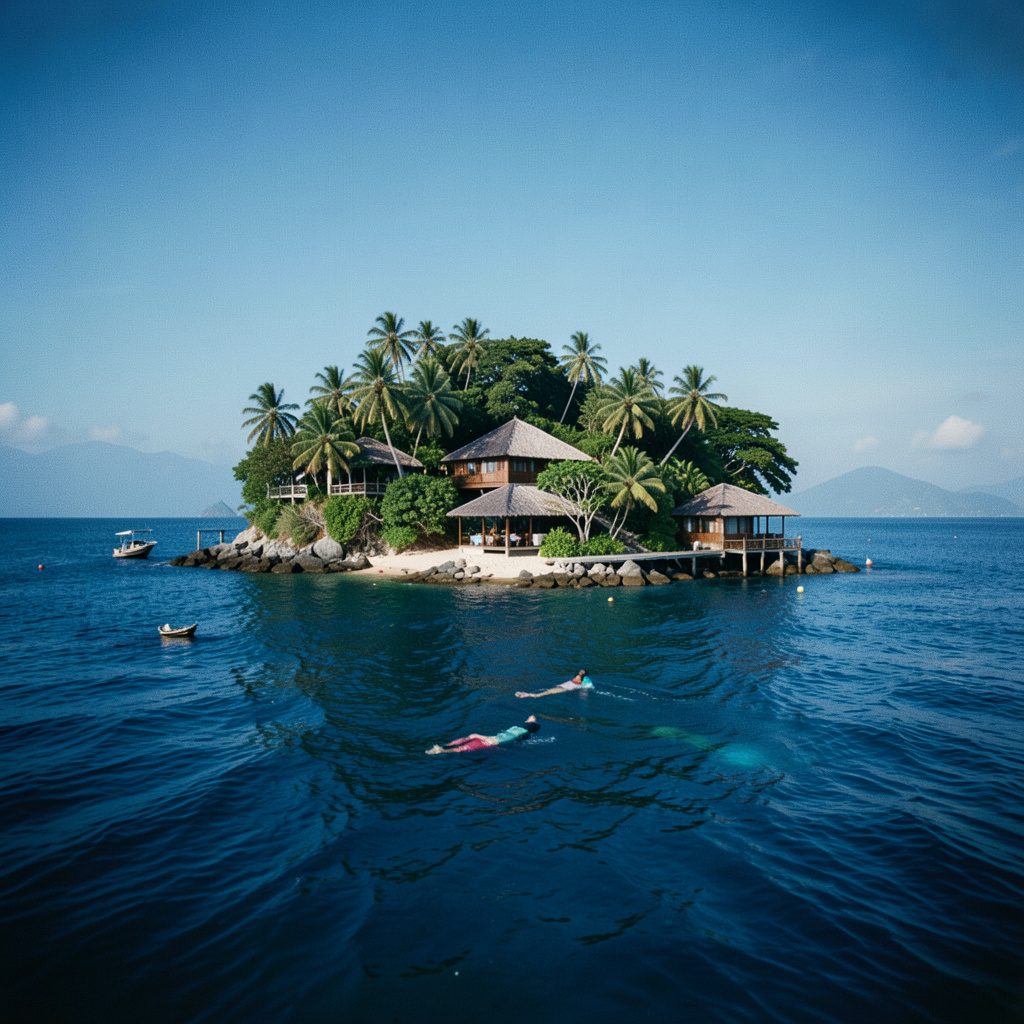
Koh Nangyuan’s three rocky islets create some of the island’s most photographed snorkelling scenery. The inner water is generally approachable, but divers should check the tide before crossing exposed channels between the peaks. Shallow viewing gives snorkellers a low-risk way to see hard coral and reef fish without taking a scuba course.
Ko Wha and Shark Island also work well from the surface, although current can still affect snorkellers near Frenchie. Freedivers should use a buddy system, remain within their depth limits and avoid trying to equalise pressure beyond a comfortable depth. Calm surface water can hide sharp coral, so rash protection and reef-safe sun protection are more sensible than bare feet.
Compare the main sites and plan from Australia
Most Australian visitors from Sydney, Melbourne or Brisbane connect through Bangkok or Phuket before taking a boat or road transfer to Koh Tao. There is no large commercial airport on the island, so allow time for the final leg and avoid booking a dive course on the same day as an international arrival.
Bring your physical PADI certification card and logbook; a phone image may not be accepted. Larger resorts and dive schools commonly take Australian cards, while Mae Haad night-market stalls and small transport operators are easier with cash in Thai baht. ATMs are available in Mae Haad and other tourist hubs. At Thai temples, cover shoulders and knees, remove shoes where requested and greet people politely.
Confirm that travel and dive insurance cover emergency evacuation, and consider DAN APAC membership if your policy offers only basic reimbursement. For a longer visit, compare broader island travel options before fixing a rigid package, since changes in weather or flight times can alter the best diving window.
| Dive Site | Typical Depth | Main Conditions | Best Suited To |
|---|---|---|---|
| Kho Khum | 3–15 m | Boat traffic may affect visibility | First supervised and open-water dives |
| Ko Wha | 3–18 m | Sheltered bay with stronger outer flow | Beginners and macro photographers |
| Buddha Rock and Sattakut | 5–30 m | Variable current and wreck scenery | Intermediate to advanced divers |
| Sipha | 8–30 m | Drift along a coral wall | Intermediate and advanced divers |
| Shark Island and Frenchie | 5–30 m | Current-assisted baitfish circuit | Confident open-water divers |
| Koh Nangyuan | 3–20 m | Sheltered interior with exposed channels | Snorkellers and shallow divers |
| Tao Soi | 8–30 m | Offshore current and long boat ride | Experienced divers |
| Chumphon Pinnacle | 20–40 m | Deep drop-off and stronger flow | Advanced or technical divers |