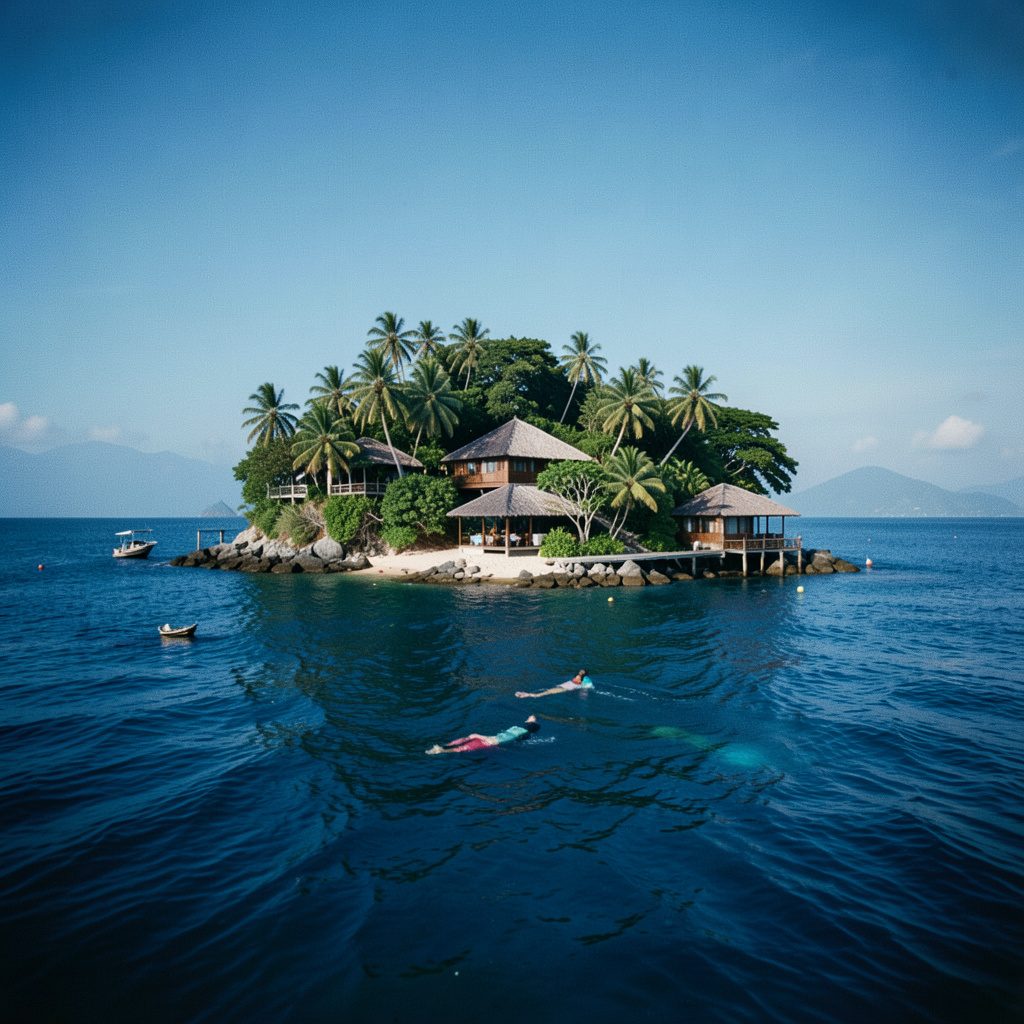


Beachfront or hillside accommodation on Koh Tao
Koh Tao gives Australian travellers two very different ways to stay. A beachfront bungalow places you close to the sand, longtail boats and sunset swims, while a hillside villa or resort offers elevated views, more privacy and a quieter setting above the busy coastal roads. Neither choice suits everyone, especially when the island’s steep lanes and boat transfers are part of the practical picture.
The best option depends on how you expect to spend your days. Divers who leave early for Mae Haad Pier may value convenience, while couples planning slow breakfasts and pool time may prefer a secluded hillside base. Families, first-time visitors and travellers watching the baht against the Australian dollar should weigh access, transport and total daily costs alongside the view.
| Stay type | Main advantages | Common drawbacks | Best suited to |
|---|---|---|---|
| Beachfront bungalow or resort | Easy swimming, dining and beach access | More activity, humidity and occasional noise | Divers, swimmers and short stays |
| Hillside villa or resort | Panoramas, privacy and breezes | Steep roads, transfers and fewer walkable venues | Couples, families and longer stays |
| Inland guesthouse | Often good value and practical | No immediate sea view or beach access | Budget travellers and independent explorers |
The appeal of staying beside the sea
Beachfront accommodation is particularly convenient on Koh Tao because several useful areas sit close to the water. Sairee Beach has the island’s broadest choice of restaurants, casual bars, massage shops and dive schools. Mae Haad is practical for ferry arrivals and departures, while Chalok Baan Kao has a more relaxed village feel and access to a quieter stretch of coast.
A bungalow near the sand makes spontaneous plans simple. You can swim before breakfast, walk back in sandy feet and reach a dive shop without arranging a taxi. For Australians used to beach culture around Noosa, Byron Bay or the northern beaches of Sydney, this easy connection with the coast feels familiar, although Koh Tao’s compact roads and tropical conditions create a distinctly different pace.
The trade-off is that beachfront rooms can be exposed to noise from beach bars, boat engines and foot traffic. During busy periods, including Australian school holidays and the Christmas-to-January peak, popular areas become lively well into the evening. Check the property’s exact position rather than relying on a broad “beachfront” label, as a room facing the beach may still sit beside a restaurant or a busy access path.
Why the hills offer more than a view
Hillside accommodation is often the stronger choice for travellers seeking space and a dramatic outlook. Resorts above Sairee, Mae Haad and Chalok can look across the Gulf of Thailand, with sunrise or sunset views that make a private balcony feel like part of the holiday. Pools are common, and the higher elevation may bring welcome breezes during the hottest months.
A villa in the hills can also feel more secluded than a central beach bungalow. That suits couples wanting quiet evenings, families needing separate sleeping areas and longer-stay guests who plan to spend time reading, relaxing or working remotely. A larger room, kitchenette or outdoor terrace may provide better value than paying a premium for a small room directly on the sand.
The practical cost is access. Koh Tao is hilly, and some driveways are sharply inclined, uneven or narrow. Walking home after dinner may be uncomfortable in heat or rain, particularly after an arvo spent snorkelling. A scooter is useful for confident riders, but visitors should be cautious: roads can be rough, traffic rules may differ from home, and travel insurance may exclude riding without the correct licence.
Getting around from each location
Beachfront stays usually reduce the need for daily transport. Sairee and Mae Haad are walkable for many travellers, although the heat, broken pavements and occasional flooding after heavy rain can make short distances feel longer. A taxi boat may be useful for reaching isolated beaches, while songthaew-style taxis and local pickups cover some island routes at variable prices.
Hillside properties commonly offer a transfer from the pier or can arrange taxis, but ask about the fee before arrival. Some resorts include a pier pickup, while others charge separately for luggage, late-night arrivals or steep access roads. This matters when arriving by ferry from Koh Samui, Surat Thani or Chumphon, especially after a long journey from Brisbane, Melbourne or Perth.
For a short trip, the convenience of the beachfront may outweigh a cheaper room farther uphill. For a week or more, regular taxi fares can erase the original saving on accommodation. Calculate the likely cost of pier transfers, dive-school pickups, dinners out and beach visits before comparing nightly rates.
Matching the room to your holiday plans
Divers often benefit from staying close to their chosen dive centre, particularly when morning boat departures begin early. Mae Haad works well for access to the pier and dive operators, while Sairee offers a wide range of schools and post-dive dining. If you are booking an open-water course, confirm where training sessions start and whether the accommodation provides transport.
Snorkellers and beach swimmers may prefer a property near Shark Bay, Tanote Bay or Chalok Baan Kao, though these areas have fewer shops and restaurants than Sairee. A resort with a pool is valuable when the nearest swimming beach is rocky, tidal or difficult to reach. Families should check for stairs, pool fencing, cot availability and the distance to pharmacies and convenience stores.
Travellers planning a social holiday may enjoy being near Sairee’s evening action. Those wanting a romantic break may find a hillside pool and sunset terrace better suited to their routine. For broader destination inspiration when pairing Thailand with a European trip, a French regional guide can help with a contrasting mountain-and-lakes itinerary.
Booking with Koh Tao’s seasons in mind
Koh Tao is warm year-round, but rainfall patterns and sea conditions influence the experience. The island’s wetter period can bring sudden downpours, slippery roads and choppy ferry crossings. A hillside room with a covered terrace may be more comfortable in unsettled weather, while a beachfront location is especially appealing during clear, calm spells.
Australians travelling during December, January, Easter or the winter school holidays should reserve early if they want a specific beach, pool or family room. Availability tightens quickly for dive courses and well-rated bungalows, and last-minute bargains are less dependable in peak periods. Compare prices in Thai baht as well as Australian dollars, since exchange-rate movements and card fees can change the final amount.
Read recent reviews for details that photographs may miss: construction noise, the steepness of the access road, unreliable hot water, mosquito exposure or the quality of the pier transfer. A beachfront stay is best when location is your priority; a hillside resort wins when scenery, privacy and room to unwind matter more. On Koh Tao, the right base can shape every day of the island escape.