

Koh Tao Marine Life: Whales, Sharks And Turtles
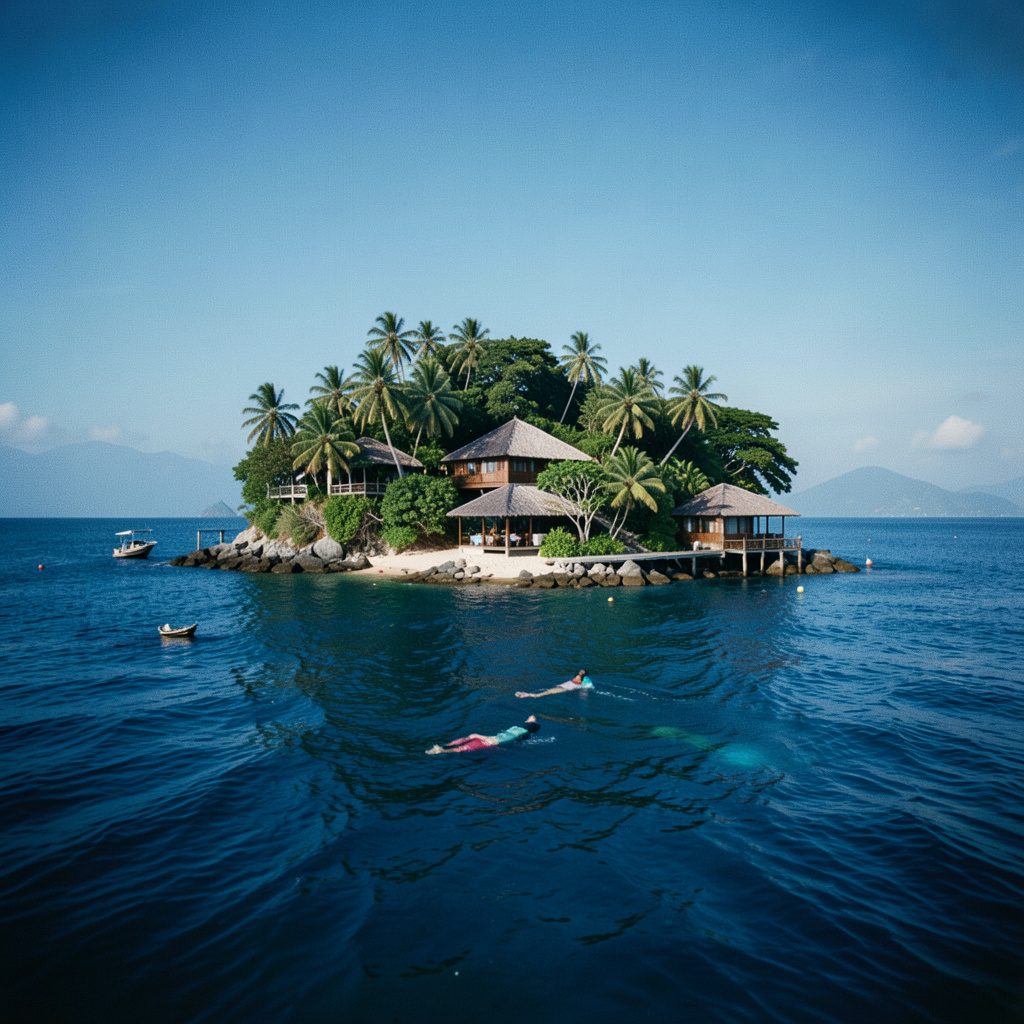
Koh Tao is best known for clear water, affordable dive courses and sheltered bays, but its underwater appeal extends well beyond colourful reef fish. The island sits near productive offshore seamounts and deeper channels where larger pelagic animals occasionally pass, while its shallow coves provide feeding and resting areas for turtles, reef sharks and countless smaller species.
For Australian travellers, the experience feels different from a day on the Great Barrier Reef. Visibility, currents and animal sightings change with the monsoon seasons, and marine life is wild rather than scheduled. A responsible trip means choosing qualified operators, allowing plenty of time for weather changes and treating every encounter as a privilege rather than a guaranteed attraction.
Whale Sharks Around Koh Tao
Whale sharks are the marine celebrities of the Gulf of Thailand. These gentle filter-feeders can grow to enormous lengths, yet they feed mainly on plankton, fish eggs and tiny organisms. They are generally calm around divers and snorkellers, although their size and slow movement demand plenty of space.
Sightings are most associated with Chumphon Pinnacle, a submerged dive site west of Koh Tao, and sometimes Sail Rock between Koh Tao and Koh Phangan. Encounters are often reported from March through June, when plankton-rich water can attract them, but there is no fixed whale shark season. Water conditions, currents and food availability determine whether one appears on a particular day.
A whale shark encounter should remain quiet and passive. Divers should avoid touching, chasing or blocking its path, while cameras should be kept at a respectful distance. Operators that brief guests carefully and limit crowding help protect the animals and create a calmer experience for everyone in the water.
Reef Sharks In Shallow Bays
The name Shark Bay, or Thian Og Bay, can sound intimidating, but the sharks commonly seen there are usually blacktip reef sharks. Juveniles and smaller adults may cruise through shallow sandy areas, particularly around dawn or when the water is calm. They are wary animals and normally move away from people rather than approaching them.
Whitetip reef sharks may also appear around rocky ledges and deeper dive sites. They often rest beneath overhangs during daylight hours, making them easier to observe on a guided dive than from a busy snorkelling beach. Nurse sharks are less predictable visitors, while dramatic species such as great white sharks and tiger sharks are not part of normal Koh Tao wildlife encounters.
Visitors should never feed sharks or attempt to follow them into deeper water. Feeding changes natural behaviour and can create risks for animals, swimmers and local businesses. A guide familiar with the bay can identify the species, explain its behaviour and select a viewing area with suitable conditions.
Green And Hawksbill Turtles
Green turtles are among Koh Tao’s most recognisable marine residents. They graze on seagrass and algae, rest beneath rock shelves and sometimes move through shallow bays close to the shoreline. Hawksbill turtles are less frequently seen but may be identified by their narrower, pointed beak and patterned shell.
Turtle sightings are possible around Shark Bay, Ao Leuk, Japanese Gardens and several nearby reefs, although locations change with tide, visibility and boat traffic. Koh Tao is better known as a feeding and resting area than as a major nesting destination, so visitors should not expect to find nesting beaches in the same way they might in parts of Queensland or Western Australia.
Keep at least several metres away, especially when a turtle rises to breathe. Never touch its shell, hold it underwater or swim directly above it. A turtle that repeatedly changes direction, dives suddenly or appears unable to surface is being disturbed, even if it does not seem to flee quickly.
Coral Reefs And Smaller Species
Large animals attract attention, but Koh Tao’s marine ecosystem depends on its smaller residents. Butterflyfish, angelfish, parrotfish, moray eels, nudibranchs, anemonefish and sea snakes occupy different reef habitats. Healthy coral structures provide shelter, feeding grounds and nursery areas for these species.
Shallow sites such as Japanese Gardens and Ao Leuk can suit beginners and snorkellers, while Hin Wong Pinnacle and deeper offshore sites offer more varied terrain for certified divers. Visibility may be excellent, but it can also fall after heavy rain or strong wind. This makes local knowledge valuable when choosing between a sheltered bay and an exposed boat dive.
Australian visitors who spend weekends at Sydney beaches or regularly visit the Sunshine Coast may already be familiar with checking swell and water conditions before swimming. The same habit is useful here, although tropical currents and boat traffic require extra attention. Coral is easily damaged by fins, standing feet and unsecured equipment.
Planning A Wildlife-Focused Trip
Koh Tao is reached most commonly through ferry connections from Koh Samui, Surat Thani or Chumphon, so transport time should be included in a realistic itinerary. Travellers flying from Sydney, Melbourne or Brisbane often connect through Bangkok or Singapore before continuing south. Weather-related ferry changes are possible, particularly during unsettled periods, so a flexible first and last night can prevent unnecessary stress.
Accommodation ranges from simple guesthouses to hillside villas and bungalow resorts. When comparing practical travel arrangements, advice about direct bus access illustrates why transport convenience can matter as much as room style. On Koh Tao, being near a pier, dive school or quieter bay may save time, although taxis and steep roads can make a central location more convenient than a remote hillside.
Australians should also account for the local market. Prices are quoted in Thai baht rather than Australian dollars, and card payments are common at established resorts but less dependable at small food stalls, taxis and beach vendors. Australian school holiday periods can increase demand for flights, ferries and family-friendly rooms, even when they do not coincide with Thai public holidays.
Responsible Encounters In Thailand
Thailand’s marine parks and coastal waters are protected by conservation rules that restrict damaging coral, collecting shells and harming wildlife. Dive centres also follow industry standards concerning buoyancy, diver conduct and interaction with animals. Choosing a recognised operator with current equipment, qualified instructors and clear environmental policies is more important than selecting the cheapest excursion.
Use reef-friendly habits: apply sunscreen well before entering the water, avoid disposable plastics, carry a reusable bottle and secure loose items before a boat trip. Australia’s familiar environmental expectations, including careful waste disposal and respect for protected wildlife under laws such as the Great Barrier Reef Marine Park regulations, provide a useful benchmark, but local Thai rules still apply.
Koh Tao’s whales, sharks and turtles cannot be guaranteed on demand, and that uncertainty is part of their value. The strongest encounter is one that leaves the animal undisturbed, the reef intact and the visitor with a deeper understanding of the Gulf of Thailand’s living waters.